
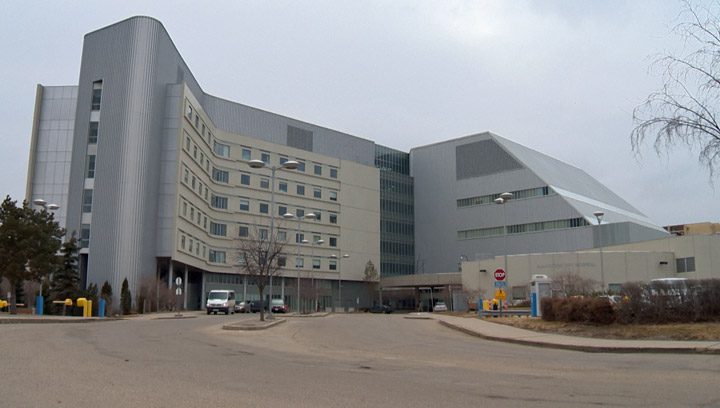
Saskatchewan’s opposition New Democrats promised during the 2024 election campaign to operate Saskatoon City Hospital’s emergency department 24 hours a day. They argued that additional capacity would reduce hallway care and pressure at Royal University and St. Paul’s hospitals.
The existing department had limited hours
City Hospital’s emergency service did not operate overnight like the city’s two other general emergency departments. Extending hours could give patients another destination during evening and early-morning peaks.
A sign saying “open” is useful only when clinicians, diagnostics and inpatient pathways are available.
Staffing was the principal constraint
The NDP said it would hire more permanent nurses and doctors and reduce dependence on expensive out-of-province contractors. Emergency care also requires laboratory, imaging, security, housekeeping and specialist support.
Recruiting from another Saskatchewan facility could simply transfer the vacancy unless total workforce supply increased.
Patient flow extended beyond the ER
Emergency crowding often reflects admitted patients waiting for inpatient beds, long-term care or community support. A third front door can distribute arrivals without resolving those exit blockages.
The party therefore proposed a task force to address flow and alternative care.
The promise responded to visible overcrowding
Patients and staff had reported long waits and hallway treatment at Saskatoon’s existing 24-hour departments. Saskatchewan Health Authority was already reviewing capacity across the three hospitals.
Political debate needed shared data on occupancy, wait time and avoidable admissions rather than competing anecdotes alone.
Clinical scope required definition
City Hospital does not duplicate every specialized service at Royal University Hospital. Ambulance protocols would need to direct trauma, stroke, pediatric or other complex cases to the appropriate centre.
Public information should explain capability so patients do not lose time moving between sites.
The commitment carried ongoing cost
Round-the-clock staffing adds recurring payroll, not just a renovation expense. The NDP placed the promise within a four-year C$1.1 billion health-spending plan.
Independent costing should identify positions, recruitment timing and whether capital or diagnostic expansion is required.
The election result mattered
The Saskatchewan Party retained government in October 2024, so an opposition campaign promise did not become an approved operating decision. Later advocacy for extended hours should not be reported as implementation of the pledge.
Policy status must follow budgets and health-authority decisions.
Success would require system-level measures
A 24-hour department should be judged by changes in waits, ambulance offload, staff overtime, transfers and patient outcomes across Saskatoon. Moving queues without improving care would not meet the objective.
The proposal identified real unused potential at City Hospital, but the credible path depended on workforce and bed capacity. Detailed planning, not hours alone, would determine whether it relieved the other emergency rooms safely.
Residents also needed clarity about what “reopening” meant, since the existing department already operated during limited hours. Extending service was different from building a new emergency department. A phased schedule could test staffing and demand, but any partial implementation should be reported honestly. Publishing targets before changes would prevent political leaders from declaring success based only on a new sign or announcement.



