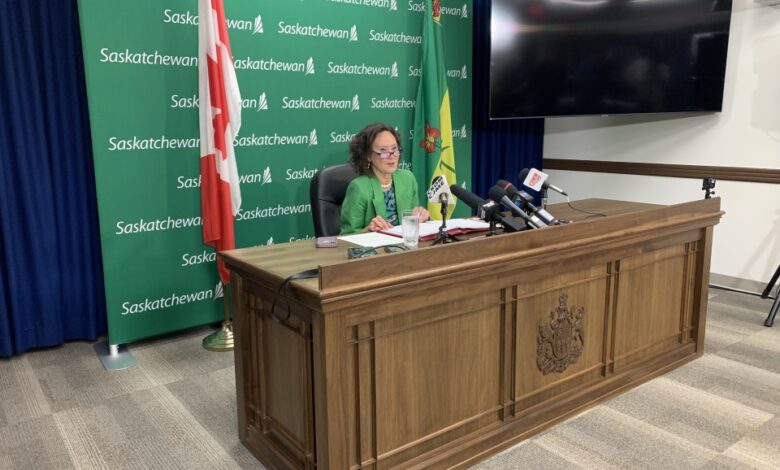
A Saskatchewan tribunal warned in 2024 that a proposed federal cap on oil-and-gas emissions and tougher methane rules could reduce provincial production, investment and income. The conclusion came from a provincial process created under the Saskatchewan First Act and was disputed within a wider federal–provincial climate debate.
The policies addressed emissions, not a formal production quota
Ottawa proposed limits on greenhouse-gas pollution from upstream oil and gas while separately pursuing a 75 per cent reduction in methane emissions. Industry output could be affected if compliance technology and economics made some production unviable.
Calling the proposal a direct production cap simplified that mechanism.
The tribunal modelled long-term economic effects
The assessment examined possible impacts between 2025 and 2050 using assumptions about prices, technology, investment and federal rules. Economic models compare scenarios; they do not observe a future that has already occurred.
Results can change substantially when policy design or assumptions change.
Saskatchewan depends on resource activity
Oil and gas support jobs, royalties, exports and local service businesses. A material decline could affect provincial revenue and communities where alternative industries are limited.
Those transition costs deserve measurement even when emissions reduction remains necessary.
Methane control can also have economic benefits
Methane is a powerful greenhouse gas, and captured gas may sometimes be sold rather than wasted. Leak detection and repair can create specialized employment while reducing pollution.
Costs and opportunities vary between large facilities, marginal wells and abandoned infrastructure.
The tribunal’s independence required context
Saskatchewan described the report as independent, but the provincial government established the body, set its mandate and publicly opposed the federal measures. Transparency about commissioned research and assumptions helps readers assess institutional independence.
Industry and government quotations should not be presented as neutral verification.
Climate damage also carries costs
Wildfires, drought, floods and heat affect health, infrastructure and agriculture. No economic comparison is complete if it counts compliance expense while assigning no value to reduced emissions.
Estimating one province’s benefit is difficult because climate pollution and avoided damage are global.
Jurisdiction formed part of the conflict
Provinces control natural resources, while the federal government regulates areas including criminal law, taxation and matters of national concern. Courts may be asked to define the boundary when governments disagree.
Political opposition does not alone establish that a federal rule is unconstitutional.
A fair assessment needed multiple scenarios
Readers should compare the tribunal report with federal regulatory analysis, independent climate modelling and final rules rather than treat one forecast as settled fact. Important variables include compliance flexibility, carbon capture performance, methane technology and global demand.
The Saskatchewan warning identified genuine transition risk, but the scale remained model-dependent. Sound policy would reduce emissions predictably, support affected workers and publish enough evidence to test claims from both governments.
Implementation could include staged targets, credit trading and support for verified technology while preserving incentives to cut absolute pollution. Governments should disclose when projections assume that firms close, relocate or adopt new equipment. That detail lets citizens see whether economic damage is unavoidable or a consequence of a particular regulatory design and industry response.