
Finnish Zoo Returning Pandas to China Because of Cost
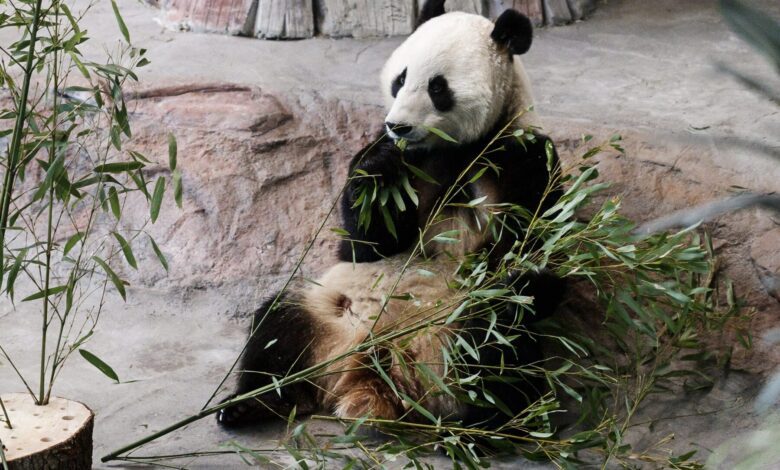
Finland’s Ähtäri Zoo agreed in September 2024 to return giant pandas Lumi and Pyry to China more than eight years before their planned departure. The privately operated zoo said falling visitor revenue and sharply increased costs made the 15-year loan financially unsustainable.
The pandas arrived as a diplomatic symbol
China and Finland finalized the agreement during President Xi Jinping’s 2017 visit, when Finland marked a century of independence. The animals arrived at Ähtäri in January 2018.
The female, Jin Baobao, was called Lumi, meaning snow; the male, Hua Bao, was called Pyry, associated with snowfall or blizzard.
The zoo invested heavily in their habitat
Ähtäri built a dedicated panda facility at a reported cost of about €8 million. It expected the rare animals to attract enough additional tourism to support the project.
The remote zoo, roughly 330 kilometres north of Helsinki, also specializes in northern European animals such as bears, lynxes and wolverines.
Annual care cost about €1.5 million
Expenses included a conservation fee and specialized food, with bamboo transported from the Netherlands. Veterinary care, staff and climate-controlled facilities added to the burden.
A panda’s public popularity does not remove the intensive biological and contractual requirements of keeping one.
External shocks damaged the financial plan
The coronavirus pandemic reduced travel and attendance. Russia’s invasion of Ukraine, inflation and higher interest rates later increased operating pressure and weakened the expected recovery.
Visitor revenue proved insufficient even after the zoo sought donations and other support. China reportedly encouraged companies to help and participated in debt discussions.
The pair did not produce a cub
Breeding is difficult because female giant pandas have a short fertile window and compatibility is uncertain. The absence of a cub limited both conservation outcomes and the visitor boost a birth might have generated.
Failure to breed should not be framed as fault by the animals or keepers; it is a known challenge in managed panda programmes.
Return required preparation and quarantine
The zoo and Chinese partners reached an agreement on September 20. Plans called for a quarantine period before specialized transport to China later in the year.
Animal welfare during transfer required veterinary checks, suitable crates, temperature control and coordination with the receiving facility.
The decision was not described as a diplomatic rupture
Finland’s foreign ministry characterized the return as a zoo decision rather than a statement about bilateral relations. China owns the pandas and commonly places them abroad through fixed-term conservation loans.
Because the animals carry symbolic weight, a financial decision can still attract geopolitical interpretation that exceeds the evidence.
The episode exposes the economics of conservation
High-profile species can draw visitors and fund education, but they also concentrate risk in expensive facilities and contractual costs. Conservation value should be assessed alongside sustainable finance and welfare.
Lumi and Pyry’s early return showed that international prestige alone cannot substitute for a durable operating plan. The responsible outcome was a carefully coordinated transfer once Ähtäri concluded it could no longer provide the long-term conservation programme securely and sustainably.



