
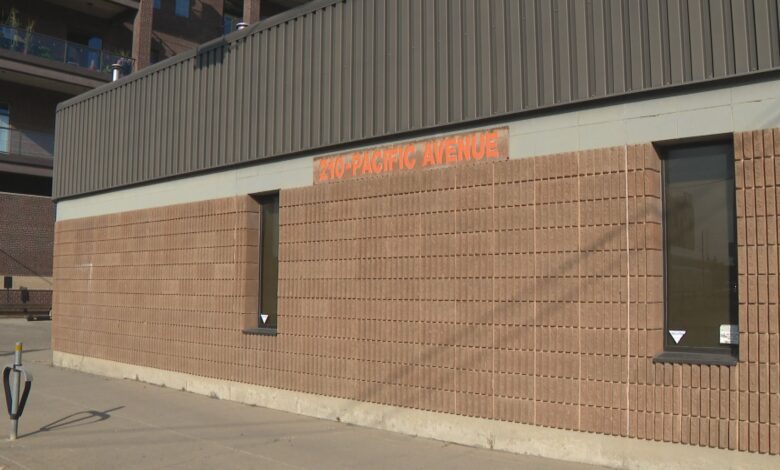
Saskatoon city council voted 7–4 on September 25, 2024 to allow a temporary enhanced emergency shelter at 210 Pacific Avenue. The former transportation building was expected to provide 30 to 40 beds while the city and province continued searching for a longer-term location.
The approval covered a limited period
Council authorized temporary shelter use for up to 18 months and agreed to lease the city-owned property to Saskatchewan Housing Corporation. The arrangement was designed as an interim response rather than a permanent land-use decision.
Time limits create accountability only if governments begin planning the replacement before the deadline approaches.
The province funded building work
A capital project of up to C$250,000 was established for required renovations, funded by Saskatchewan Housing Corporation. The lease was offered below market value because the public purpose was emergency housing.
Renovation had to address fire safety, accessibility, washrooms, sleeping areas and staff operations before opening.
Residents and businesses raised safety concerns
Opponents worried about public disorder, discarded needles, property impact and proximity to services and businesses. At least eleven people spoke against approval during the meeting.
Concerns deserved specific mitigation, but homelessness itself is not a crime and people cannot be sheltered in an imaginary neighbourhood with no neighbours.
The city added an operating plan
Fencing, coordinated police and fire attention, communications and on-site management were discussed as safeguards. An effective plan requires named responsibilities and public reporting rather than general promises.
Residents also need a way to report urgent issues without turning every complaint into displacement of shelter users.
A bed is only one component
Enhanced shelter should connect guests with health care, identification, income, treatment and permanent housing. Without exits to housing, beds remain occupied and emergency demand continues.
Rules must accommodate couples, possessions, disabilities and pets where possible, because barriers can make an technically available bed unusable.
The need was well documented
Saskatoon’s visible homelessness had grown, and later 2024 enumeration identified 1,499 people experiencing homelessness. Cold weather made delays potentially dangerous.
A point-in-time count is incomplete, but it demonstrates a need far larger than 30 or 40 spaces.
The shelter later became operationally ready
City records say renovations were completed in March 2025. That later milestone should be distinguished from council approval, which did not create beds overnight.
Tracking opening date, occupancy, incidents and housing placements allows the public to assess implementation fairly.
The vote resolved a site, not homelessness
Supporters accepted a contested location because winter and existing need made further delay costly. Opponents argued that neighbourhood impact had not been adequately addressed.
Both shelter users and neighbours benefit from competent operations. The durable solution remains supportive and affordable housing, but an emergency shelter can prevent harm while that slower supply is built.
Public evaluation should therefore distinguish problems caused by the facility from wider downtown conditions and publish outcomes throughout the temporary lease.
Clear baseline data collected before opening would make those comparisons more reliable and reduce the risk that isolated incidents were used to support broad conclusions.



