Calgary Minor Soccer Association began its 2024 indoor season with approximately 30,000 registrations and 120 new teams, a 12 per cent increase from the previous year. The record participation forced schedulers to fit more than 6,400 games into limited indoor field time and renewed calls for recreation investment.
Why participation was growing
Executive director Carlo Bruneau connected the increase to soccer’s relative accessibility, the visibility of Canada’s national teams, local club Cavalry FC and anticipation surrounding Canada’s role as a host of the 2026 men’s World Cup.
Population growth also expanded the pool of young players. Interest does not automatically translate into access if fees, transportation and facility shortages prevent families from registering.
A scheduling problem at city scale
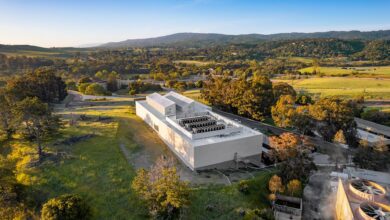
The association started the indoor season two weeks early to accommodate demand. Even with the recently opened Shouldice Seasonal Dome and a planned expansion at the Calgary Soccer Centre, Bruneau estimated a shortage of about 6,500 field hours.
When space is scarce, teams can receive fewer or shorter practices, play at very late hours or use gymnasiums that change the game. Travel across a large city can impose another cost on families.
Projects in development
A $28-million Calgary Soccer Centre expansion was expected to add an indoor field and amenities. The city also identified a Belmont fieldhouse, early planning in Skyview Ranch and a much larger Foothills Athletic Park fieldhouse proposal.
Each project had a different funding and planning status. Listing them together should not imply all were fully financed or would open on the same schedule.
Soccer and other sports
City recreation official Heather Johnson said Calgary had historically provided more infrastructure for hockey, skating, aquatics and fitness than for soccer. A multi-sport fieldhouse can serve football, lacrosse, athletics and community programmes as well.
Shared use improves value but requires scheduling rules that do not push less powerful organizations to the margins. Design choices such as field dimensions, turf, ceiling height, spectator space and accessibility determine which sports can actually use a building.
Keeping the game affordable
Bruneau described soccer as comparatively affordable, but registration, uniforms, shoes and travel still burden low-income households. New construction financed through user fees alone could solve the space problem while making participation less equitable.
Municipal grants, fee assistance, transit access and priority for community programmes can distribute benefits. Girls, newcomers and players with disabilities should be included in both demand estimates and facility design.
Using existing space better
Before facilities open, organizers can coordinate school gyms, seasonal domes and privately owned fields, publish unused slots and reduce gaps between bookings. These measures can recover hours but cannot manufacture regulation-sized fields at peak winter times.
Maintenance also matters. A new building without an operating budget can deteriorate or charge fees that community clubs cannot sustain.
A measurable investment case
The association could track waitlists, denied registrations, late-night games, travel distance and hours by age group. The city could compare capital and operating cost with health, youth-development and tournament benefits.
Thirty thousand registrations showed extraordinary demand and a successful local sport system. The same figure exposed its constraint: without additional, equitably funded indoor space, Calgary risked turning children away just as national attention was making more of them want to play.