
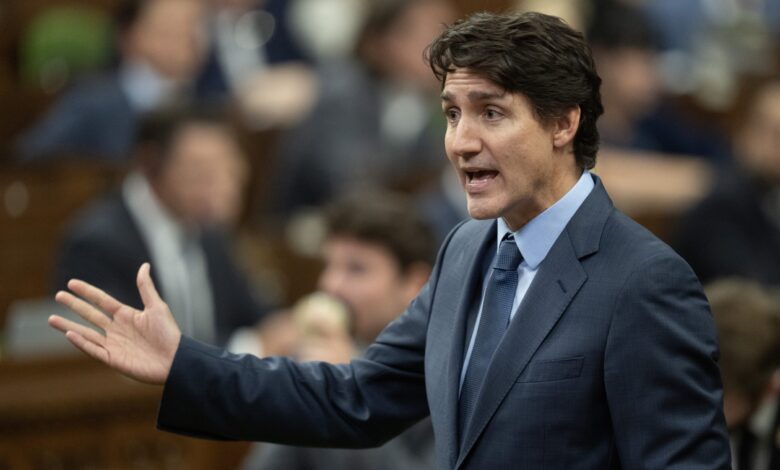
Canada’s House of Commons descended into disorder on September 25, 2024 after Prime Minister Justin Trudeau accused Conservative MPs of bullying and used a term the Speaker deemed unparliamentary. The exchange followed an alleged homophobic remark from the opposition benches that was not clearly captured or attributed in the chamber.
The confrontation began during Question Period
Conservative leader Pierre Poilievre questioned Trudeau about a costly official residence purchased for Canada’s consul general in New York, Tom Clark. Shouting followed the prime minister’s response.
Trudeau said his side was accustomed to casual homophobic comments from across the aisle, prompting demands for clarification and withdrawal.
The alleged remark remained unattributed
Reports described a comment implying Trudeau shared a bathtub with Clark, but Speaker Greg Fergus said he had not clearly heard it. No individual publicly accepted responsibility during the exchange.
It is important to distinguish a reported heckle from a statement entered and verified in the official record.
Trudeau then used the word “crap”
He said standing up to bullies required calling out their “crap.” The Speaker ruled the word unparliamentary and repeatedly asked him to withdraw it.
Trudeau eventually withdrew the term, adding a joking reference to defecation. The procedural withdrawal did not resolve the underlying allegation.
The Speaker is responsible for order
House rules restrict insults and disorderly language so debate can continue. The Chair may request withdrawal, decline to recognize a member or name someone in more serious circumstances.
Those powers work only when all parties accept that vigorous disagreement does not license harassment.
Homophobic insinuation is not harmless theatre
Using same-sex intimacy as an insult reinforces stigma even when directed at a heterosexual politician. MPs have a responsibility to avoid language that harms people beyond the intended target.
Accountability should follow reliable identification, not collective accusation against every member of a caucus.
The substantive question was lost
Opposition scrutiny of public spending on diplomatic property was legitimate and deserved a factual answer. The heckling and response displaced discussion of valuation, security requirements and procurement.
Political incentives reward the clip, while citizens lose the information Question Period is meant to produce.
Civility is more than avoiding banned words
A technically parliamentary phrase can still demean, while blunt language can identify genuine misconduct. Rules should protect meaningful accountability without turning etiquette into a shield.
Members can challenge prejudice directly and then return to evidence rather than extend a cycle of provocation.
The incident illustrated institutional strain
The minority Parliament faced confidence votes and a combative pre-election atmosphere. Repeated disorder made it harder for viewers to distinguish policy conflict from performance.
The confirmed sequence was limited: a reported heckle, Trudeau’s response, the Speaker’s ruling and a withdrawal. Claims about who spoke or intended what required evidence beyond partisan certainty.
That evidentiary boundary matters because an unclear remark can quickly become a definitive allegation when repeated through partisan clips and headlines.
Official transcripts and complete video provide a better basis for judgment than short excerpts, particularly when the identity and wording of the original speaker remain disputed.



