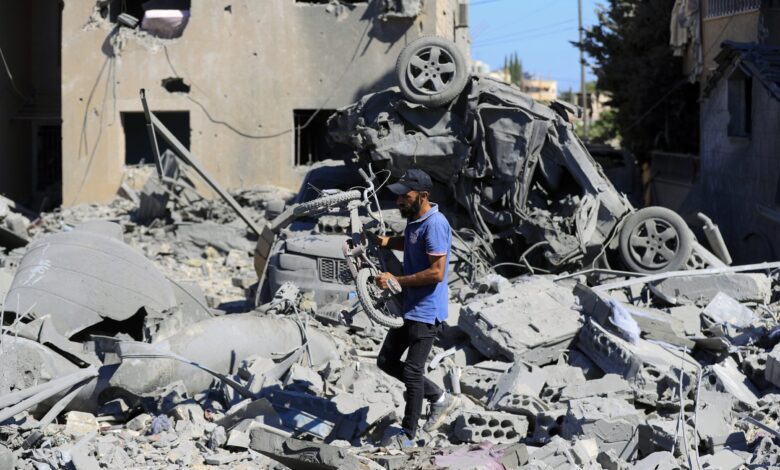
Canada prepared military personnel and equipment in September 2024 for a possible evacuation from Lebanon as Israeli strikes and Hezbollah fire intensified. The contingency planning did not mean an evacuation had been ordered; officials continued urging Canadians to leave while commercial routes remained available.
Forces received instructions to be ready
Defence sources said personnel were placed on shorter notice to move and Canada’s military posture in the region was being increased. Such preparation gives the government options if airports close or security deteriorates rapidly.
A warning order begins readiness work. It is not confirmation that troops will enter Lebanon or that every registered citizen can be moved immediately.
Commercial departure remained the preferred route
Global Affairs Canada secured blocks of seats on the limited flights leaving Beirut and asked citizens to depart. Travellers generally paid for tickets, with emergency loans available in qualifying circumstances.
Leaving early reduces danger to families and to personnel who might later conduct an evacuation under fire.
Canada had repeatedly warned against travel
Officials had advised Canadians for months to avoid travel to Lebanon and told those present to leave. The warnings became more urgent as the conflict expanded beyond border areas.
People may remain because of family, work, medical needs, money or the difficulty of abandoning a home. A safety message should be clear without turning those circumstances into a moral judgment.
The potential caseload was very large
Officials estimated about 45,000 Canadians were in Lebanon, while only a portion had registered with the embassy. Registration provides contact information but does not create a guaranteed seat.
People should keep passports current, monitor official alerts and maintain medicines, funds and a practical route to an airport or assembly point.
A non-combatant evacuation is complex
If ordinary flights cease, options may involve charter aircraft, ships or movement by road to another country. Each depends on access, host-government consent, secure assembly sites and coordination with allies.
The military can provide transport and logistics, but it cannot make an active conflict risk-free.
Past experience shaped the planning
Canada evacuated roughly 15,000 people from Lebanon during the 2006 war in a large maritime and air operation. That effort exposed challenges in registration, communication and moving a dispersed population.
Contingency plans can incorporate those lessons while adapting to different security conditions and much larger estimates of citizens present.
Misinformation can endanger departure
Unofficial social-media posts may circulate false flight lists, meeting points or fees. Canadians should confirm instructions through Global Affairs Canada and official embassy channels.
Public reporting should protect operational details that could place evacuees or personnel at risk while still explaining the overall state of readiness.
Preparation was prudent, not a promise
Moving troops and equipment closer shortened response time if cabinet authorized an operation. It also signalled the seriousness of the escalation after Canadians were among those killed.
The safest practical option remained departure before evacuation became necessary. The distinction between planning, formal activation and successful completion was essential for families making urgent decisions under pressure.