
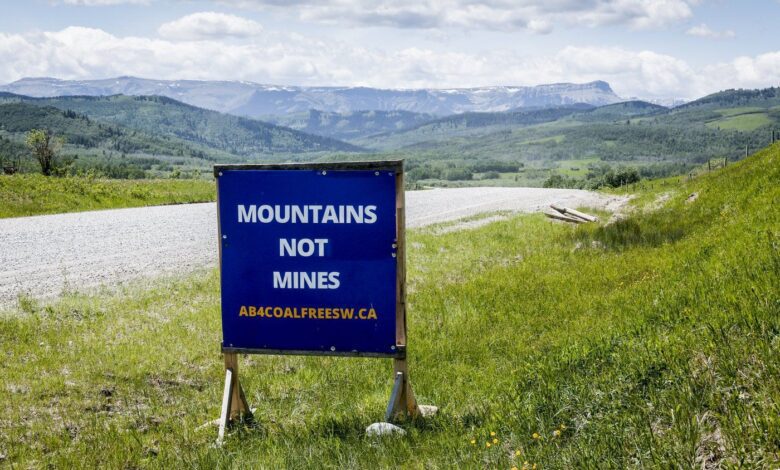
The Alberta Energy Regulator proceeded toward hearings on Northback Holdings’ applications at Grassy Mountain in 2024 even as the Municipal District of Ranchland challenged the regulator’s authority in court. The parallel tracks created a risk that time and money would be spent on a process later found legally flawed.
The applications concerned exploration, not mine approval
Northback sought authorization for a coal-exploration program, deep drilling and temporary water diversion near Blairmore in southwest Alberta. Exploration would collect information about the deposit and site conditions.
Approval did not itself authorize construction and operation of a new open-pit mine. However, opponents saw exploration as a material step toward reviving the larger project.
An earlier mine proposal had been rejected
A joint federal-provincial review panel rejected Benga Mining’s Grassy Mountain mine proposal in 2021. It found that significant adverse environmental effects outweighed the economic benefits presented.
Northback, formerly Benga, later submitted the new exploration applications. Whether they represented an exempt advanced project became a central legal issue.
A ministerial order complicated the regulator’s task
Alberta had restricted coal exploration and development on parts of the Rocky Mountains and Eastern Slopes while reviewing policy. Energy Minister Brian Jean sent a letter indicating that Grassy Mountain should be treated as advanced and exempt.
Ranchland argued that the regulator improperly relied on that letter and constrained its own independent authority when accepting the applications.
The Court of Appeal allowed key questions to proceed
In August 2024, the Alberta Court of Appeal granted permission to appeal on whether the regulator had fettered its discretion and erred in interpreting the ministerial order through the minister’s letter.
Permission to appeal did not decide those questions. It meant the court found issues serious enough for a full legal argument.
Ranchland sought to avoid a potentially wasted hearing
The municipal district argued that, if its appeal succeeded, the applications might not have been validly accepted. Holding regulatory hearings first could impose unnecessary expense on the municipality, residents, experts and applicant.
The regulator balanced that concern against its mandate to process applications. Delay also carries costs and does not guarantee that a court will overturn an administrative decision.
Environmental concerns focused on water and habitat
Opponents raised risks to headwaters, selenium contamination, fish, wildlife and downstream ranching and irrigation. The Eastern Slopes supply water far beyond the immediate project boundary.
Supporters emphasized metallurgical-coal jobs, local investment and reclamation of land disturbed by historical mining. Each claim required evidence specific to the proposed activities.
The hearings went ahead and approval followed
The regulator held sessions in December 2024 and January 2025, followed by closing submissions in March. In May 2025, the panel approved the three applications with conditions and found them in the public interest.
That decision authorized exploration-related work, not the previously rejected mine. It also did not erase continuing court and policy disputes around future development.
The process tested regulatory independence
Governments can set policy, while a regulator must apply legislation and orders fairly to the evidence before it. Informal political direction can undermine public confidence if the legal basis is unclear.
Proceeding during litigation was lawful unless stayed, but it carried institutional risk. The Grassy Mountain dispute showed why applications, ministerial policy and judicial review must be transparent—and why an exploration approval should never be reported as if a full coal mine had already received permission to operate.



