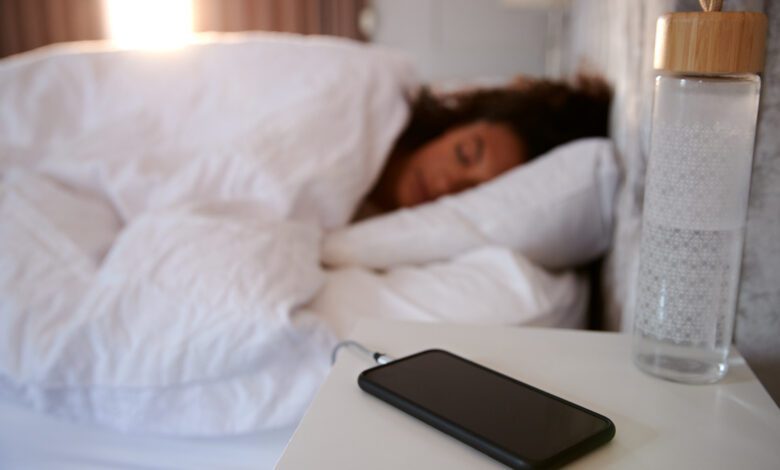
Montreal fire officials urged residents not to leave phones and other lithium-ion devices charging unattended overnight after a large battery fire at the city’s port in September 2024. The warning did not mean every modern phone was likely to ignite; it emphasized practices that reduce the consequences of a rare failure.
The port fire involved an industrial quantity
A shipping container caught fire at the Port of Montreal on September 23. Emergency records estimated that it held roughly 15,000 to 15,500 kilograms of lithium-ion batteries.
About 50 firefighters responded, nearby residents received temporary shelter advice and specialized equipment helped cool the container. The cause was not immediately determined.
A phone is not equivalent to a shipping container
The port incident involved tonnes of batteries in one location, vastly different from a single certified handset. Using it to claim that ordinary phones routinely explode would be misleading.
The shared hazard is chemistry: lithium-ion cells store substantial energy in a compact space and can enter thermal runaway when damaged, defective, overheated or improperly charged.
Thermal runaway can spread rapidly
An internal short can generate heat, which damages neighbouring cell material and creates still more heat. Flames and hot gases may ignite nearby bedding, furniture or packaging.
Battery fires can be difficult to suppress and may reignite. Early detection and keeping the device away from combustible material therefore matter.
Charge where the device can release heat
Health Canada advises charging at room temperature on a visible, firm surface away from couches, beds and other soft material that can trap heat. Do not place a charging phone beneath a pillow.
Keep the charging location away from an exit route so a fire does not block escape. Working smoke alarms remain an essential layer of protection.
Use compatible, certified equipment
The original charger or a trusted replacement with the correct voltage and current reduces electrical risk. In Canada, recognized certification marks help identify equipment assessed to applicable standards.
Very cheap counterfeit adapters and damaged cables can overheat or fail. A connector should fit normally and should not require improvised repairs.
Damaged batteries require immediate attention
Stop using a device if its battery is swollen, leaking, unusually hot, discoloured, giving off an odour or making unfamiliar sounds. Do not puncture or press a swollen cell.
If it can be done safely, disconnect power and move away from combustible objects. Smoke, hissing or fire warrants evacuation and an emergency call rather than an attempt to hold or carry a failing device.
Modern charging controls reduce but do not remove risk
Reputable phones manage current and stop actively charging at full capacity. That makes ordinary overnight charging safer than the phrase “overcharging” may suggest.
Protection circuits cannot compensate for every manufacturing defect, physical damage, incompatible charger or heat-trapping location. Being awake and nearby improves the chance of noticing a warning sign.
A practical rule is better than panic
Users do not need to abandon lithium-ion technology. They should follow the manufacturer’s instructions, charge on a hard open surface, inspect equipment and recycle batteries through approved programs rather than household garbage.
Montreal’s warning used an extraordinary port fire to draw attention to an everyday habit. The sound conclusion is not that all overnight charging causes fires, but that unattended charging removes supervision precisely when a rare failure can become most dangerous.