Communities across Calgary and southern Alberta marked Orange Shirt Day and the National Day for Truth and Reconciliation on September 30, 2024. Public ceremonies, walks, films and cultural programs offered ways to participate, but respectful commemoration began with understanding what the day represents.
The orange shirt comes from a survivor’s story
Orange Shirt Day grew from the experience of Phyllis Webstad, whose new orange shirt was taken from her when she entered a residential school as a child. The date reflects the season when many Indigenous children were removed from their families.
The message that every child matters recognizes survivors, children who never returned home and families whose lives were disrupted across generations.
Calgary hosted an Indigenous-led ceremony
The City of Calgary and partners scheduled a morning program at The Confluence Historic Site and Parkland from 9 to 10:30 a.m. The event could also be watched online.
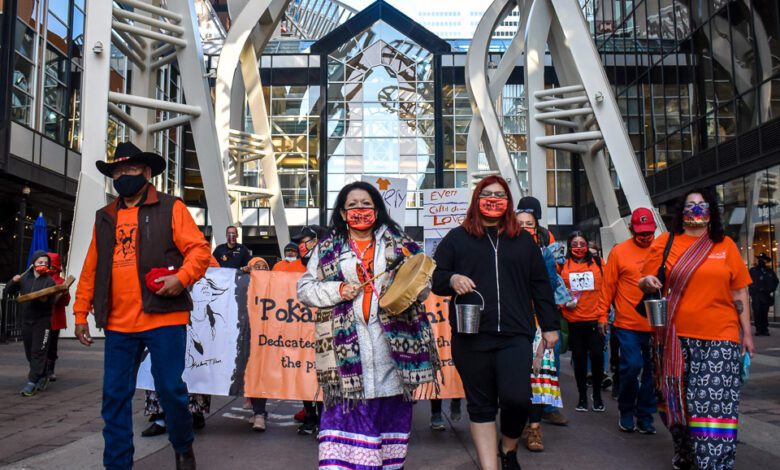
A separate Pokaiks Commemorative Walk began at Eau Claire Plaza and proceeded toward Contemporary Calgary, creating a visible public act of remembrance and solidarity.
Events extended across southern Alberta
Medicine Hat College, the Miywasin Friendship Centre and Firekeepers Women’s Society organized an afternoon walk and program. Lethbridge events included a student skate gathering at Legacy Park.
Banff and other communities offered local observances, exhibitions or learning opportunities. Participants needed to confirm details with organizers because schedules and outdoor plans could change.
Wearing orange is meaningful when paired with learning
An orange shirt signals recognition, but it should not become a costume detached from survivors. Buyers can choose Indigenous artists or organizations that explain where proceeds go rather than purchasing generic merchandise with no community benefit.
Schools and workplaces can explain the symbol, provide time for events and avoid asking Indigenous colleagues to supply unpaid personal testimony.
The day centres truth before reconciliation
Canada’s residential-school network was funded by the federal government and largely operated by churches. Children experienced forced assimilation, family separation, neglect and abuse, and many died or went missing.
The Truth and Reconciliation Commission documented this history and issued 94 Calls to Action. Commemoration has substance when institutions examine the actions relevant to their own authority.
Participants should follow Indigenous leadership
At ceremonies, non-Indigenous attendees can listen, respect protocols, ask before photographing and avoid treating sacred practices as entertainment. Some events welcome broad participation; others may reserve particular roles for community members.
Learning local treaty and territorial history is more useful than repeating a generic acknowledgement without understanding the relationships it names.
Support is needed throughout the year
People can read survivor testimony, visit museums and cultural centres, support language revitalization and follow Indigenous-led reporting. They can also examine child welfare, health, education and justice inequities in current policy.
September 30 is a focal point, not an annual completion certificate. Survivors and communities live with the effects every day.
Commemoration should be careful and active
A walk, ceremony or film screening can create a shared moment of reflection. The strongest participation avoids centring the attendee’s feelings and instead makes space for Indigenous knowledge and priorities.
In Calgary, Medicine Hat, Lethbridge, Banff and neighbouring communities, the 2024 events offered multiple points of entry. The next step was to carry what participants learned into relationships, institutional decisions and sustained action after the orange lights and shirts were put away.