
Iran Projects Caution After Israeli Strikes Against Hezbollah
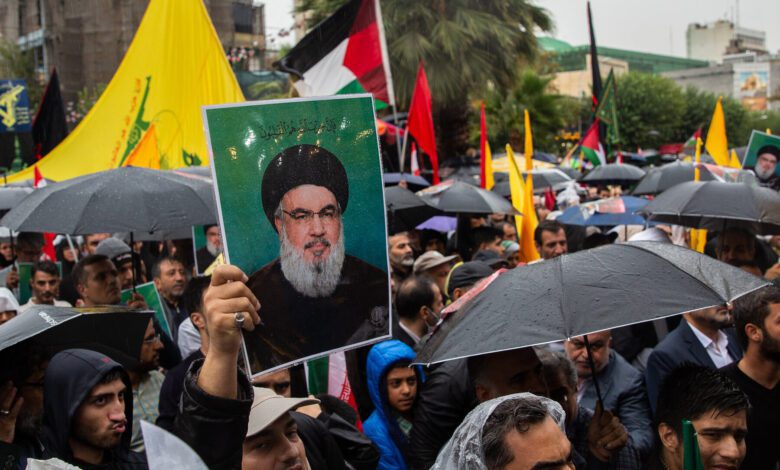
Iran’s first public response to Israel’s killing of Hezbollah leader Hassan Nasrallah combined fierce condemnation with caution about direct retaliation. Tehran urged Hezbollah and its regional allies to resist, while initially avoiding a clear promise that Iranian forces would immediately enter a wider war.
Nasrallah was central to Iran’s regional strategy
Iran had supported Hezbollah with financing, training and weapons for decades. The Lebanese organization gave Tehran a powerful ally near Israel and formed a central part of the network Iran calls the axis of resistance.
Nasrallah was more than a battlefield commander. His long relationship with Iranian leaders and his authority in Lebanon made his death a strategic and symbolic loss.
Israel had already weakened Hezbollah’s leadership
The September 27, 2024 strike in Beirut followed the killing of other commanders and widespread explosions involving communications devices used by Hezbollah. Israeli air attacks also struck targets across Lebanon.
The sequence created uncertainty about communications, succession and the group’s ability to coordinate. It also killed and injured civilians and displaced large numbers of residents, increasing regional pressure for retaliation.
Khamenei emphasized Lebanese resistance
Supreme Leader Ayatollah Ali Khamenei condemned Israel and called on Muslims to support the people of Lebanon and Hezbollah. His statements stressed that Nasrallah’s organization and political project would survive.
He initially stopped short of announcing a direct Iranian strike. The language placed the immediate response with Hezbollah and allied groups, preserving Tehran’s room to choose its timing and scale.
Direct war carried severe risks for Iran
An overt attack could trigger Israeli strikes on Iranian military, nuclear or economic infrastructure and draw the United States more deeply into the conflict. Restraint, however, risked making Iran’s security guarantees appear weak after the loss of a leading ally.
The decision was therefore not a choice between courage and inaction. Iranian leaders were weighing deterrence, regime security, alliance credibility and the possibility of an uncontrollable regional war.
Hezbollah retained its own agency
Iran’s support was indispensable, but Hezbollah was not merely a remote-controlled unit. It had its own commanders, Lebanese constituency, political relationships and experience of conflict with Israel.
Attributing every decision to Tehran can obscure the responsibility of Hezbollah’s leadership and the internal dynamics of Lebanon. Influence is substantial without being identical to command.
Caution did not mean permanent restraint
On October 1, Iran launched a large missile attack against Israel, citing the killings of Nasrallah, Hamas political leader Ismail Haniyeh and Iranian commander Abbas Nilforoushan. Israel later conducted strikes inside Iran.
That progression showed that the cautious statements immediately after Nasrallah’s death were a temporary posture, not proof that Tehran had accepted the attack without response.
Civilians faced the consequences of strategic signalling
Iran, Israel and allied armed groups described actions in terms of deterrence and retaliation. For civilians, each exchange brought risks to homes, infrastructure, transport and essential services across several countries.
International humanitarian law applies regardless of the political grievance offered for an attack. Parties must distinguish military targets from civilians and cannot justify indiscriminate harm as reciprocal punishment.
The initial message bought time
Iran’s measured public wording allowed it to assess Hezbollah’s condition, consult allies and prepare options while avoiding an immediate declaration of war. It also tried to project confidence that the network could continue without one leader.
The later missile attack clarified that caution and escalation can occur in sequence. Accurate reporting must date each assessment carefully: Tehran appeared restrained in the first hours, but the regional confrontation soon moved into direct Iran-Israel exchanges.



