
Live Updates: Israel Keeps Up Strikes Against Hezbollah in Lebanon
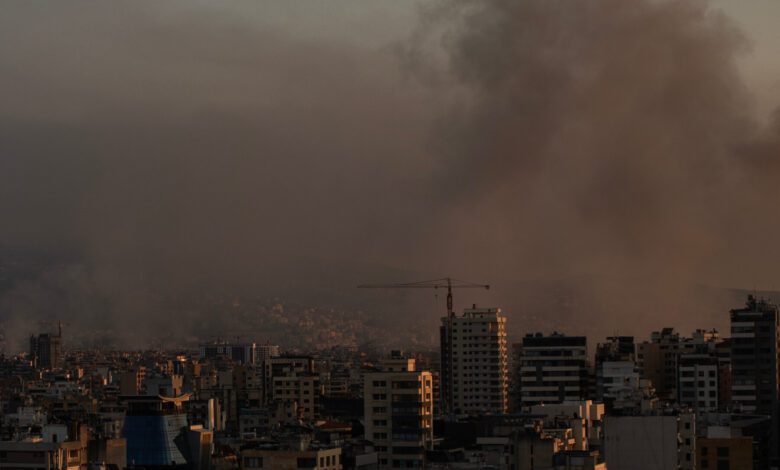
Israel continued intensive strikes across Lebanon on September 29 and 30, 2024 after Hezbollah confirmed the death of its leader, Hassan Nasrallah. What was then described as live escalation soon developed into a ground incursion and a wider humanitarian emergency.
Israel said it was attacking Hezbollah infrastructure
The Israeli military reported strikes on dozens of sites it described as launchers, weapons stores and other Hezbollah targets. Operations reached Beirut’s southern suburbs, the Bekaa Valley and southern Lebanon.
Those target descriptions were military claims, not independent findings about every location. Reporting needed to separate what Israel said it struck from verified information about damage and casualties.
Lebanon reported a heavy civilian toll
Lebanese authorities said 105 people were killed on September 29 alone. Rescue services and hospitals operated under extreme pressure as attacks hit populated areas and families fled with little notice.
By the end of September, United Nations officials said more than 1,600 people had been killed in Lebanon since cross-border hostilities began in October 2023 and thousands had been injured. The totals included civilians and fighters and continued to rise.
Nasrallah’s death transformed the conflict
Israel killed Nasrallah in a massive strike in Beirut on September 27. Hezbollah confirmed his death the following day, losing a leader who had shaped the movement for more than three decades.
Other senior figures had also been killed, damaging command structures but not immediately ending rocket fire. The strikes raised fears that leadership losses would trigger retaliation and a prolonged war rather than a quick resolution.
Displacement expanded rapidly
Lebanese officials estimated that as many as one million people had been displaced as the campaign intensified, while aid agencies registered hundreds of thousands seeking assistance. Many stayed with relatives, in public shelters or outdoors.
Residents of northern Israel had already spent months away from home because of Hezbollah fire. The legitimate need to protect those communities did not remove the duty to protect civilians in Lebanon.
Earlier attacks had widened fear beyond the battlefield
Explosions involving pagers and handheld radios used by Hezbollah had injured thousands in Lebanon earlier in September, including civilians. Israel did not publicly claim responsibility at the time, though the attacks were widely attributed to it.
The incidents demonstrated the danger of weapons detonating among users in homes, streets and workplaces. Their novelty did not reduce the need to examine distinction and foreseeable civilian harm.
A ground operation followed the air campaign
Israel announced limited ground operations in southern Lebanon as September ended and October began. Hezbollah continued firing rockets and drones, and fighting damaged border communities on both sides.
The stated goal was to push threats away from Israel’s north, but military action also created new displacement and risked drawing Iran and other regional actors more directly into the conflict.
International humanitarian law applied to all parties
Hezbollah’s indiscriminate attacks toward civilian areas were unlawful. Israel was required to distinguish military objectives from civilians, assess proportionality and take feasible precautions, even when Hezbollah operated in populated places.
The presence of a fighter or weapon does not make an entire neighbourhood a lawful target. Conversely, civilian harm does not by itself prove that a strike was unlawful; that assessment depends on information and choices at the time.
The immediate crisis eventually produced a ceasefire
A United States- and France-backed cessation took effect on November 27, based on the framework of UN Security Council Resolution 1701. It aimed to stop attacks, support Israeli withdrawal and strengthen Lebanese state authority in the south.
The September strikes must be read with that later outcome in view. They weakened Hezbollah’s leadership but inflicted extensive loss and displacement before diplomacy halted the main fighting. Accurate retrospective reporting records both claimed military objectives and the human consequences that unfolded around them.



