
Nepal Flooding and Landslides Kill at Least 170 People
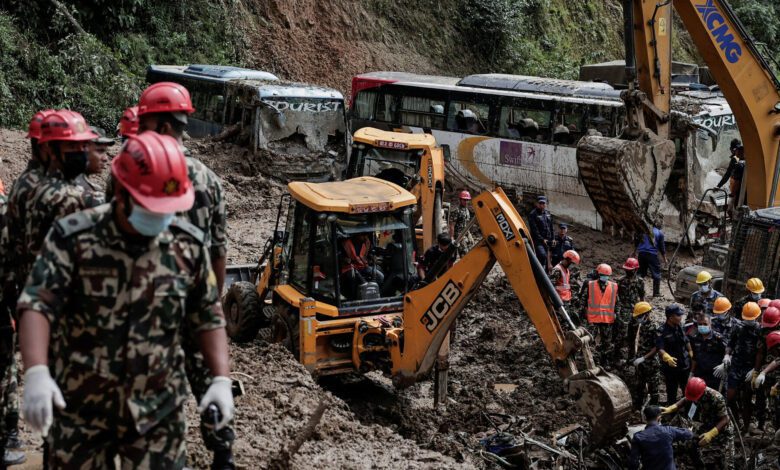
Extreme monsoon rain triggered catastrophic floods and landslides across Nepal on September 27 and 28, 2024. Early reports counted at least 170 deaths, but the toll rose as rescuers reached isolated areas; subsequent United Nations reporting recorded 246 fatalities, 183 injuries and 18 people missing.
Rain overwhelmed the Kathmandu Valley and surrounding districts
Rivers rose rapidly through Kathmandu and nearby settlements, inundating homes, roads and businesses. Landslides cut highways connecting the capital with the rest of the country, leaving travellers stranded and delaying rescue operations.
The disaster affected 21 districts, with seven identified as severely affected. More than 10,000 households were reported in temporary camps during the emergency response.
A highway landslide caused a major loss of life
At Jhyaaple Khola, west of Kathmandu, a landslide buried buses and other vehicles on a key route. The incident became one of the deadliest single locations in the disaster and demonstrated the danger of keeping traffic on unstable mountain roads during intense rain.
Search operations were complicated by blocked access, continuing slope instability and damaged communications. The final toll could not be understood from the first day’s figures alone.
Warnings did not prevent severe exposure
Meteorological agencies had forecast heavy rainfall, prompting questions about whether road closures, evacuations and emergency coordination occurred quickly enough. Forecasting a dangerous period is only the first part of risk reduction; warnings must reach communities and trigger practical decisions.
Officials faced criticism over the pace of the response. Nepal’s mountainous terrain and dispersed settlements create genuine logistical constraints, but those difficulties also make advance preparation more important.
Children and vulnerable families faced disproportionate harm
UNICEF reported that dozens of children were among those killed. Floodwater damaged schools, water supplies and sanitation systems, increasing risks even after rainfall stopped.
Families who lost homes needed shelter, safe drinking water, food, health services and protection. People living on unstable slopes or beside rivers often have fewer resources to relocate before a disaster.
The economic damage extended beyond destroyed buildings
Later assessments estimated that about 2.9 million people had been affected and placed direct damage at hundreds of millions of dollars. Road, bridge and power disruption interrupted trade, tourism, schooling and medical access.
Farm losses also threatened household income and food security. Recovery therefore required more than reconstructing visible infrastructure; it needed support for livelihoods and local services.
Climate change is relevant but requires precise claims
A warmer atmosphere can hold more moisture and intensify heavy rainfall, while rapid urbanization, construction near rivers, deforestation and weak drainage can magnify flood losses. Nepal is highly exposed to climate-related hazards despite contributing little to global emissions.
However, this event was driven by intense monsoon rainfall. It should not be described simply as flooding caused by glacier melt without an event-specific scientific assessment. Climate context and direct cause are related but not interchangeable.
Relief agencies appealed for sustained support
The United Nations response plan targeted approximately 193,000 people in the worst-affected areas and sought about US$17.5 million for urgent assistance. National security forces, local volunteers and humanitarian organizations conducted rescues and distributed supplies.
Longer-term protection depends on enforcing safer land use, improving drainage and slope monitoring, strengthening bridges and roads, and linking weather forecasts to early action. The changing death toll also offers a reporting lesson: early numbers are provisional, and accounts must be updated as verified information replaces first estimates.



