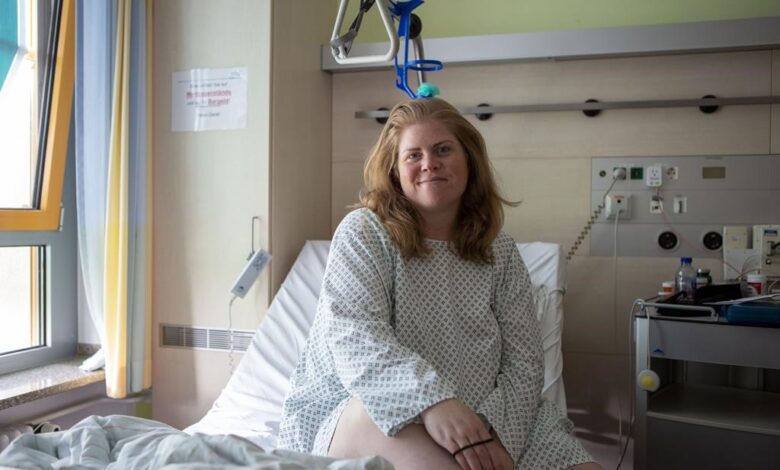
Nova Scotia resident Crystal Ellingsen welcomed Premier Tim Houston’s 2024 apology after a court overturned provincial refusals to reimburse overseas treatment, but she warned that other people with chronic conditions still faced pain, delayed diagnosis and barriers to care. Her family had borrowed against its home to fund four surgeries in Germany.
Two patients challenged the province
Ellingsen has lipedema, a chronic disorder involving abnormal fat tissue that can cause pain, swelling, heaviness, bruising and reduced mobility. Jennifer Brady has lymphedema, swelling associated with impairment of the lymphatic system. Their conditions and treatment histories were distinct, even though both sought funding for care outside Nova Scotia.
Nova Scotia Supreme Court Justice Timothy Gabriel found the reimbursement refusals unreasonable and overturned them. The premier said the women had been mistreated and promised reimbursement of medical and legal expenses, as well as funding for additional treatment required by Brady.
The personal financial cost
Ellingsen said her out-of-country care cost more than $100,000. She and her husband used a loan secured against their Halifax home, and the family later moved to the United States for better-paying work while managing the debt.
She described improved mobility and participation in family life after surgery. That is her reported experience, not proof that the same intervention is appropriate for every patient. Treatment decisions require individual diagnosis, discussion of benefits and risks, and qualified medical care.
Why the legal win felt incomplete
Ellingsen said people without access to credit could not follow the same path. A reimbursement process that effectively requires a patient to finance six-figure care first can remain inaccessible even when repayment is possible later.
She also described difficulty obtaining diagnosis for a condition that can be misunderstood. Health-system access involves more than whether a procedure is listed: patients need knowledgeable primary care, specialist assessment, evidence-based options and a clear appeal route.
Brady’s account showed the stakes
Brady had described severe pain and said she completed an application for medical assistance in dying in June 2024. That report should be handled without sensationalism. It documented her account of suffering and should not be generalized to other people with lymphedema.
Anyone in immediate danger or considering self-harm should seek emergency or crisis support in their location. A news article cannot provide individual medical or crisis assessment.
What accountable reform would include
The province could publish understandable criteria for out-of-province funding, reasons for decisions, appeal timelines and data on approvals and reversals. Independent clinical expertise is especially important when a treatment is unavailable locally.
Officials should identify whether the remedy is domestic capacity, an interprovincial referral pathway or funded international care in exceptional cases. Promises made during an election period require written implementation, appropriated funding and follow-up reporting.
The wider lesson
A court victory corrected the decisions before it but did not demonstrate that every patient with a similar diagnosis qualified for the same care. Nor did the premier’s apology itself create a stable programme.
Ellingsen’s warning focused on people still navigating the system without her ability to borrow. A fair response would turn the ruling into a transparent, medically grounded process in which access does not depend on personal wealth, persistence or the capacity to sustain years of litigation.