
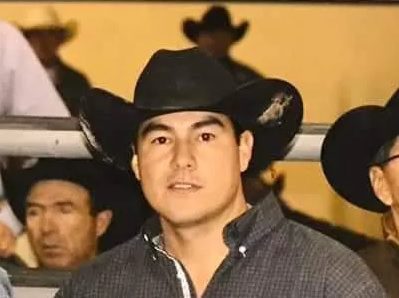
Blood Tribe Chief Roy Fox called for an impartial and transparent investigation after Jon Wells, a 42-year-old Kainai man, died during an encounter with Calgary police at a hotel on September 17, 2024. The demand centred on accountability, the family’s need for answers and a wider pattern of mistrust between Indigenous communities and police institutions.
Police responded to a hotel complaint
Officers were sent to the Carriage House Hotel and Conference Centre after staff reported a man behaving unusually and refusing to leave. Alberta’s police watchdog said Wells initially appeared dazed, raised his hands and began moving toward an exit when directed.
The encounter escalated after additional officers arrived. Any account of the sequence must distinguish documented observations from conclusions that an investigation had not yet reached.
Force and restraint were central questions
The Alberta Serious Incident Response Team, or ASIRT, said preliminary evidence showed that officers tackled Wells, struck him and deployed a conducted-energy weapon. He was restrained and a spit hood was placed over his head.
Emergency medical personnel attended and administered a sedative. Wells then became unresponsive and resuscitation efforts were unsuccessful. The interaction involved decisions by both police and medical responders, making video, training records, toxicology and expert evidence important.
The watchdog opened an investigation
ASIRT investigates incidents involving Alberta police that may have caused serious injury or death. Its role is to gather evidence and determine whether reasonable grounds exist to believe an officer committed an offence.
An investigation is not a finding of criminal liability. At the same time, the absence of an immediate charge does not answer whether policy, training, supervision or systemic conditions require change.
The Blood Tribe sought Indigenous participation
Chief Fox said the nation would file a formal complaint concerning the officers involved. The Assembly of First Nations later supported the family and called for a transparent, impartial process with adequate resources and Indigenous oversight.
Those requests reflected concern that institutions should not merely investigate themselves and announce a conclusion. Family communication, disclosure of evidence and meaningful participation affect whether a process is trusted.
Wells was more than an incident description
Relatives and community members remembered Wells as a father, cowboy and mentor who used horsemanship to support young people. Reducing him to police language about behaviour would omit the life at the centre of the case.
Friends and family held a prayer walk on the National Day for Truth and Reconciliation. The timing connected private grief with longstanding public demands for safer treatment of Indigenous people.
De-escalation required close examination
Investigators needed to assess why an initially compliant interaction escalated, what officers knew about Wells’s condition, what commands were given and whether time, distance or medical assistance could have changed the outcome.
They also needed to examine the combined effects of strikes, electrical discharge, restraint, a spit hood and medication. Isolating each action can miss risks created by the full sequence.
Public claims should stay within the evidence
Video and preliminary watchdog summaries can clarify events, but they may not contain toxicology, pathology or every witness account. It would be irresponsible either to declare criminal guilt before due process or to dismiss concerns before a complete investigation.
Official conclusions should explain the legal standard, disputed evidence and any recommendations. Transparency is most useful when it permits independent scrutiny rather than offering only reassurance.
Accountability can have several forms
Depending on the evidence, consequences may involve criminal law, police discipline, civil proceedings, health protocols or institutional reform. A family should not have to treat those routes as interchangeable.
Chief Fox’s demand was therefore both specific and systemic: establish what happened to Jon Wells and act on the lessons. A credible response requires a careful investigation, timely public reasons and sustained involvement of his family and nation. Anything less risks deepening the cultural gap the chief said earlier inquiries had already exposed.



