The Bloc Québécois used an opposition-day motion in October 2024 to press Prime Minister Justin Trudeau’s minority government for an increase in Old Age Security payments to people aged 65 through 74. The motion passed without Liberal support, but it was non-binding and did not itself change a pension payment.
The dispute began with an age-based increase
Ottawa had raised the Old Age Security pension by 10 per cent for recipients aged 75 and older in 2022. The Bloc argued that seniors aged 65 to 74 faced the same inflation and should receive the same increase.
The government said older recipients were more likely to have exhausted savings, become widowed or face health costs. The disagreement concerned whether that evidence justified two benefit levels.
Bill C-319 proposed several changes
The Bloc’s private member’s bill would extend the 10 per cent increase to the younger group and alter rules affecting employment income and the Guaranteed Income Supplement. It passed early parliamentary stages with opposition-party support.
Old Age Security is funded from general federal revenue and is subject to an income-tested recovery tax. It is distinct from the contributory Canada and Quebec Pension Plans.
A royal recommendation was the critical barrier
Under Canada’s Constitution, legislation authorizing new public spending generally requires a royal recommendation initiated on government advice. An opposition bill can win votes but cannot compel expenditure without that step.
The Bloc motion asked the government to provide the recommendation. Passing the motion expressed the House’s view; it did not substitute for the formal authorization.
The Liberals cited substantial cost
Government estimates placed the annual expense in the billions of dollars. Liberals argued that support should target seniors with the greatest need rather than provide a broad age expansion, including to recipients with higher incomes below the recovery threshold.
Bloc, Conservative and NDP members supported the push for parity for younger seniors. Agreement on the motion did not mean they shared a complete fiscal plan.
The vote was political leverage
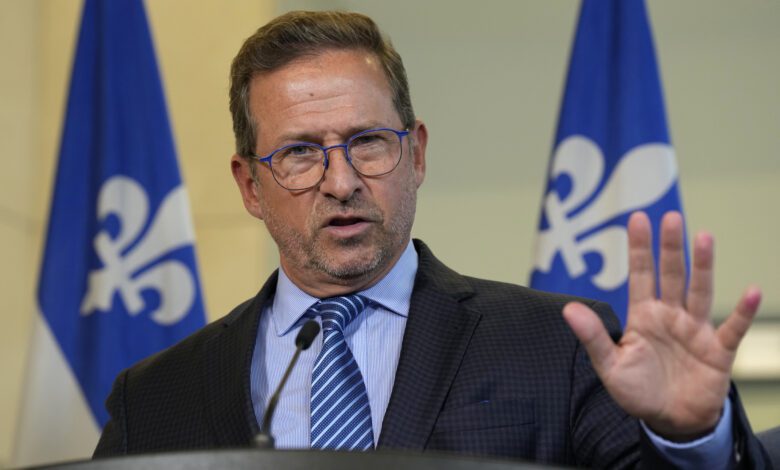
Bloc Leader Yves-François Blanchet tied continued parliamentary cooperation to pension action and protection of supply management. In a minority Parliament, those demands could affect later confidence votes.
The Liberals’ survival still depended on the position of several opposition parties, so one ultimatum did not automatically bring down the government.
No payment increase followed the motion
The government did not grant the required recommendation. Bill C-319 remained unable to complete the spending step and later died when the 44th Parliament ended.
Eligible seniors therefore did not receive a 10 per cent OAS increase merely because MPs adopted the October motion. Service Canada amounts continued to follow the law actually in force.
The policy question remained legitimate
A universal age expansion is simple and recognizes broad price pressure. Targeted supplements direct more money to low-income households and cost less, but can create complex eligibility and lower take-up.
A serious comparison should examine poverty rates, housing costs, gender, disability and the interaction with provincial benefits—not assume every person in one ten-year age band has the same resources.
Parliamentary symbolism needs clear reporting
The Bloc succeeded in showing that most MPs opposed the age distinction and in increasing pressure on a vulnerable government. It did not secure the executive authorization needed to spend the money.
The distinction matters to readers making financial decisions. The motion passed; the statutory pension did not change. Current benefit amounts and eligibility should always be checked with official federal guidance rather than inferred from an opposition-day vote.