
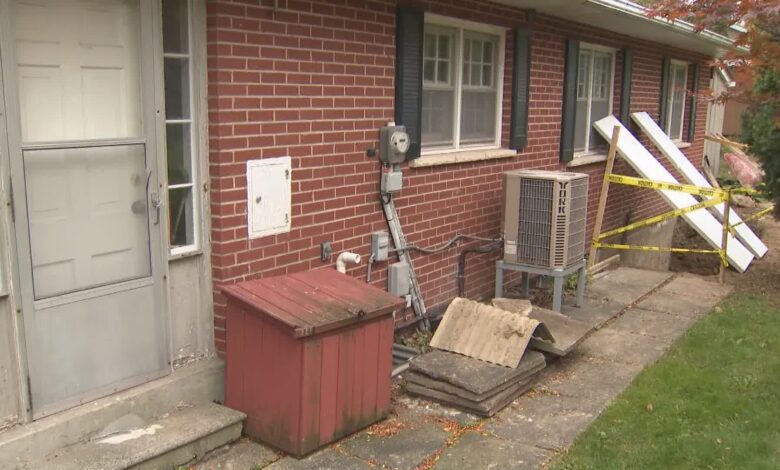
A rapid increase in basement conversions in Brampton, Ontario, intensified arguments over housing supply, neighbourhood pressure and construction safety in 2024. Residents told local media that some renovation sites appeared unsafe or inadequately supervised, while renters depended on secondary units in an exceptionally expensive housing market.
A basement unit can be legal housing
Brampton permits additional residential units in detached, semi-detached and townhouse properties when zoning, building, fire and registration requirements are met. A self-contained unit generally needs its own kitchen and bathroom along with safe exits, alarms and compliant construction.
Calling every basement apartment illegal obscures the distinction between approved housing and unpermitted work. It can also stigmatize tenants who have little control over a landlord’s permits.
Unapproved construction creates serious risk
Removing walls, altering electrical systems or creating bedrooms without adequate exits can expose occupants and neighbours to fire, collapse, flooding and carbon-monoxide hazards. Overcrowding adds further evacuation and sanitation concerns.
A municipal permit allows technical review and inspections at defined stages. Issuing a permit is not the same as certifying that every later action complied, which is why inspection and enforcement capacity matters.
Residents questioned the pace of oversight
Some homeowners said the city approved too many renovation permits without ensuring timely inspection of the resulting work. Provincial workplace-safety authorities also examined conditions at a project highlighted in news reporting.
A complaint does not prove every allegation, and one dangerous site does not establish that all conversions are unsafe. Publishing permit and inspection status can help replace rumour with specific evidence.
The housing shortage drove demand
Brampton’s population growth, high rents and limited purpose-built rental supply made rooms and secondary suites important to students, newcomers, families and lower-income workers. Removing units without alternatives can increase homelessness or force tenants into even less visible arrangements.
That need does not justify exploitation. Affordable housing must still be habitable, uncrowded and protected by tenancy law.
Parking and infrastructure became neighbourhood issues
Additional households can increase demand for curb space, waste collection, water, schools and transit. Long-term residents may experience real congestion even when a unit is legally constructed.
Planning responses should address those services rather than assume the identity or immigration status of tenants explains the problem. Discriminatory generalizations neither inspect wiring nor create housing.
Brampton tested rental licensing
The city launched a Residential Rental Licensing pilot in selected wards in January 2024, paused it after feedback and relaunched it with changes in March. It applied to smaller rental properties and sought documentation and safety compliance.
Landlords criticized fees and administration, while supporters argued licensing gave the city a better route to inspect and track rentals. A licence is useful only if standards are enforced consistently and tenants can report danger without immediate displacement.
Registrations continued to increase
Brampton’s 2024 enforcement report recorded 2,516 newly finalized additional-unit registrations and 22,995 fully registered units by year end. Those figures show both the scale of lawful conversion and the administrative workload.
They do not measure every unregistered unit or prove that registration alone resolved property-standard complaints.
Safety and supply must be solved together
The basement boom was not simply a conflict between homeowners and tenants. It reflected a regional failure to produce enough varied, affordable housing, combined with uneven construction and enforcement.
The practical response is faster permit review, qualified contractors, risk-based inspections, clear public records and strong action against hazardous overcrowding. Governments must also expand purpose-built rentals and transit-supported density. Treating all suites as a nuisance shrinks essential supply; ignoring unsafe work sacrifices the people the housing is meant to serve.



