Live Updates: Israel Promises to Retaliate After Iranian Missile Attack
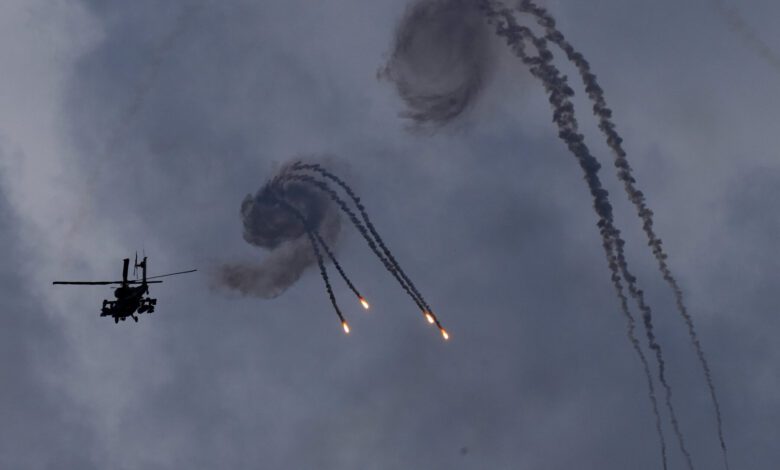
Israel promised a response on October 2, 2024, after Iran launched a large wave of ballistic missiles the previous evening. Air-raid sirens sounded across Israel, most missiles were intercepted or missed populated areas, and the attack intensified fears that connected wars in Gaza and Lebanon could become a sustained direct conflict between states.
Iran launched roughly 180 ballistic missiles
Israel, the United States and Jordan participated in defensive efforts. Videos and satellite analysis indicated impacts at or near military sites, including Nevatim airbase, while Israel reported that its air force remained operational.
One Palestinian man in the occupied West Bank was killed by falling missile debris. Reports of limited casualties did not mean no missiles penetrated defence; interception systems prioritize threats based on predicted trajectory.
Iran described the strike as retaliation
Iran said it was responding to the killings of Hamas political leader Ismail Haniyeh, Hezbollah leader Hassan Nasrallah and an Iranian commander. Israel did not publicly accept responsibility for every death invoked by Tehran.
Retaliatory language explains a government’s stated rationale but does not independently establish that an attack is lawful, necessary or proportionate.
Israel said Iran had made a serious mistake
Prime Minister Benjamin Netanyahu said Iran would pay for the attack. Israeli officials considered the timing, scale and targets of a response while allies urged them to prevent a broader regional war.
President Joe Biden said the United States supported Israel’s defence and was discussing the response. Washington opposed strikes on Iranian nuclear facilities, and concern also focused on oil infrastructure and civilian harm.
The Lebanon front was expanding simultaneously
Israel announced additional troops for its ground operation in southern Lebanon after nearly a year of cross-border fire with Hezbollah. Airstrikes continued in Beirut and other locations, while rockets were launched toward Israel.
The overlapping timelines increased the risk of miscalculation. A strike intended as a limited signal could be interpreted as preparation for a larger attack, prompting action before diplomatic messages arrived.
Early damage claims required caution
Iranian media portrayed the missile operation as highly successful, while Israeli accounts emphasized interception and continuity of military operations. Neither side’s wartime messaging was a sufficient independent assessment.
Verified imagery, official casualty records and later inspection offered a firmer basis than isolated clips. Some videos shared online were old, mislabeled or stripped of the location information needed for confirmation.
The United Nations urged de-escalation
UN Secretary-General António Guterres condemned the widening conflict and called for a ceasefire. Diplomats sought to prevent further attacks through intermediaries because Israel and Iran have no normal direct diplomatic channel.
Those efforts operated alongside the legal requirement to protect civilians. Security threats do not remove obligations under international humanitarian law during armed conflict.
Israel carried out its response on October 26
Israeli aircraft struck Iranian air-defence systems, missile-production facilities and other military targets. Israel said the operation concluded its response, while Iran acknowledged damage and the deaths of military personnel.
The publicly identified targets did not include nuclear or oil facilities, limiting an immediate risk to energy supplies and radiological safety. The direct strike inside Iran nonetheless marked another dangerous threshold.
The live-update moment needs a completed chronology
As of October 2, retaliation was promised but its form was unknown. Later events establish that Israel waited more than three weeks and selected military targets, after which both governments avoided an immediate further direct exchange at the same scale.
That restraint did not end the region’s wars or eliminate future danger. The verified sequence is a major Iranian missile attack, limited immediately reported casualties, Israeli preparations amid diplomatic pressure and a later strike on Iranian military infrastructure. Claims that either side achieved total defence or decisive victory go beyond what the evidence supports.