
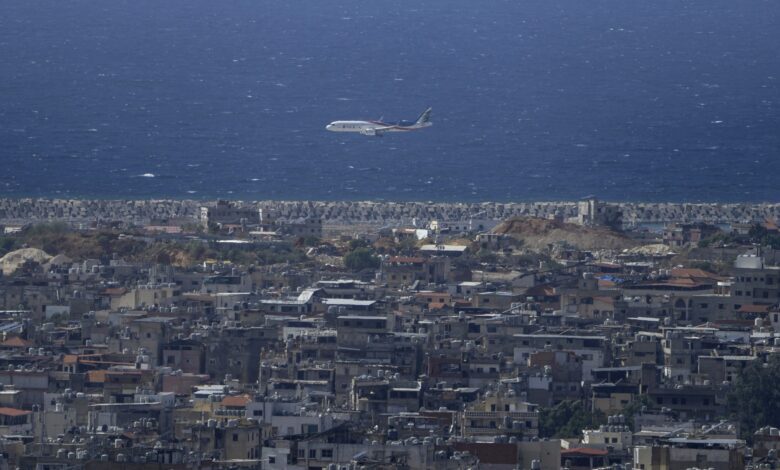
Canada urged its citizens and permanent residents to leave Lebanon while seats were available as fighting between Israel and Hezbollah intensified in late September and early October 2024. Roughly 300 people had departed on government-arranged flights from Beirut to Istanbul, while many others offered seats had not accepted them.
Why Ottawa issued the warning
Air strikes, rocket fire and ground fighting made conditions volatile and threatened transportation routes. Global Affairs Canada had advised against travel to Lebanon and repeatedly told Canadians already there not to rely on a later military evacuation. Commercial capacity and arranged flights could be disrupted with little notice.
The government secured blocks of seats rather than operating a free, open-ended airlift. Eligible travellers were contacted using registration and consular information and generally had to pay a market-rate fare. Istanbul served as a transit point; passengers remained responsible for valid travel documents and onward arrangements.
Why some seats went unused
People may decline departure for many reasons: family members may lack Canadian travel status, a household may be far from Beirut, roads may be unsafe, or a person may be unwilling to leave relatives, property or work. An unused offer does not prove that the warning was unnecessary, nor does accepting assistance guarantee a simple journey.
Officials said three additional arranged flights were scheduled that week. Flight numbers, availability and eligibility could change, so travellers needed direct confirmation from Global Affairs rather than relying on a social-media post or an old news schedule.
Consular assistance has limits
Canadian citizenship does not give the government control over foreign airports, borders or security conditions. Consular officials can provide information, replace some documents, contact families and help coordinate options, but they cannot guarantee safe passage, compel an airline to fly or override another country’s laws.
Registration of Canadians Abroad can help officials send targeted updates. Travellers should keep identity and relationship documents accessible, maintain medication and emergency supplies, monitor local instructions and ensure relatives know their plan. Phone and data service may be unreliable during a crisis, making a written contact list valuable.
Information discipline during conflict
Reports about border closures, convoys or evacuation lists can be manipulated or become obsolete quickly. People should verify instructions through official Canadian channels and the relevant carrier. Payment requests from unknown intermediaries, promises of guaranteed seats and demands for passport images can be fraud attempts.
The warning was directed at Canadians able to leave; it was not an assessment of the rights or suffering of civilians on either side of the conflict. Humanitarian and diplomatic questions are distinct from immediate consular risk.
The historical figures capture one point in a fast-changing operation: about 300 departures and three more flights planned. They should not be treated as a final evacuation total. The enduring message was to use available departure options early because waiting could make travel more dangerous or impossible.
People researching a past consular response should record the date attached to every number. Registration totals, people contacted, seats offered, booked passengers and completed departures measure different things. Combining them can make an operation appear larger or smaller than it was. The October 2 snapshot is valuable precisely because it identifies completed travel separately from flights that were only scheduled.



