
Missing Out on Coldplay’s India Tickets, Some Fans Vented — Even to Police
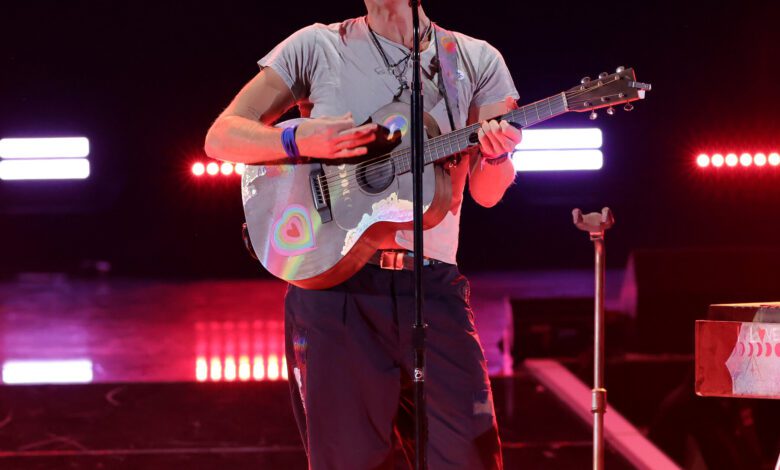
Demand for Coldplay’s January 2025 concerts in Mumbai overwhelmed BookMyShow in September 2024, leaving millions of fans without tickets and sending allegations of bot use, scalping and fraud to Mumbai police. The complaints reflected a severe supply gap, but they did not by themselves prove that the official platform manipulated sales.
Millions competed for a limited allocation
About 13 million users reportedly attempted to buy roughly 150,000 tickets released for the first two shows at DY Patil Stadium on January 18 and 19. The queue and website experienced disruption, and the available inventory sold quickly.
A third Mumbai date on January 21 was added and also drew intense demand. Even a technically perfect queue could not produce tickets for more than a small fraction of interested buyers.
Resale listings appeared almost immediately
Tickets offered at multiples of face value appeared on unauthorized resale websites and through social media. Fans alleged that automated bots or organized resellers had captured inventory before ordinary buyers could complete checkout.
A resale listing is not proof that a valid ticket exists. Fraudsters can copy confirmation images, sell the same credential repeatedly or collect money for access they never held.
Police examined competing complaints
Mumbai’s Economic Offences Wing questioned BookMyShow representatives after a lawyer alleged wrongdoing in the sale. The allegation required investigation and should not have been reported as an established partnership between the platform and scalpers.
BookMyShow denied any association with unauthorized sellers and later filed its own police complaint concerning impersonation, fake tickets and inflated resale. Police registered a case against unidentified suspects under fraud and information-technology provisions.
The platform probe did not substantiate manipulation
Mumbai police later closed their inquiry into alleged BookMyShow irregularities after reportedly finding insufficient evidence of platform wrongdoing. That outcome did not validate every resale listing or mean no buyer was defrauded elsewhere.
It narrowed the verified record: immense demand and unauthorized reselling were real, while claims of collusion by the official seller were not established by the investigation.
The concerts went ahead
BookMyShow said the controversy would not cancel the shows, and Coldplay performed the scheduled Mumbai dates. Additional concerts in Ahmedabad expanded the Indian leg of the tour.
Successful performances did not resolve the policy questions raised by the initial sale. It showed only that valid tickets and event operations remained intact.
Queue design needs transparency
High-demand sellers can limit tickets per account, detect automated traffic, randomize queues, require stronger identity checks and delay transfer. Each control also has drawbacks, including privacy burdens and difficulty for families buying together.
Publishing the number of tickets, holds, presales, queue method and cancelled suspicious transactions helps users understand whether a “sold out” notice reflects the advertised process.
Buyers should treat unofficial offers as high risk
Fans should verify the authorized seller, avoid transferring money to an unknown social-media account and never share one-time passwords or banking credentials. A price that appears unusually favourable after a sellout is a warning, not proof of luck.
Suspected fraud should be reported promptly to the payment provider and cybercrime authorities, with messages and transaction records preserved.
Frustration was justified; accusation required evidence
The sale left millions disappointed and exposed how scarcity can create a profitable market for scalpers and scammers. Police involvement was appropriate where consumers alleged cheating or impersonation.
The final account must distinguish system failure, market imbalance and criminal conduct. BookMyShow struggled under extraordinary traffic; resale prices surged; fans filed complaints; and the platform itself pursued alleged fraudsters. The evidence reviewed later did not establish the broad collusion claim. Better controls and disclosure remain warranted even when the most serious allegation is not proven.



