
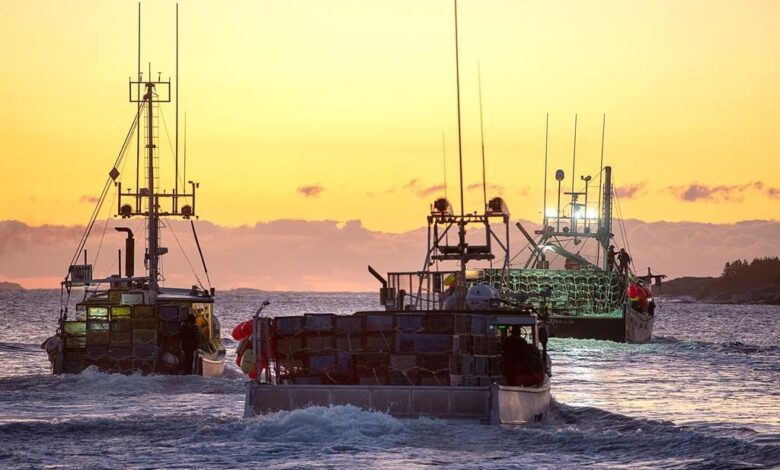
Some federal fisheries officers in Nova Scotia refused selected field-enforcement duties in October 2024, saying escalating threats and violence created an unsafe workplace. The dispute unfolded amid concerns about unauthorized fishing, alleged organized crime and longstanding conflict over Mi’kmaq treaty rights, issues that require careful separation.
Officers invoked workplace-safety protections
The Union of Health and Environment Workers said officers had faced gunfire, attempts to seize service weapons and threats directed at them or their families. Body armour alone, the union argued, did not adequately address encounters involving heavily armed people.
Employees covered by the Canada Labour Code can refuse work they reasonably believe presents a danger, subject to an investigation and statutory process. A refusal does not itself prove every reported incident, but it triggers an obligation to examine the risk.
The refusal was not a complete shutdown
Fisheries and Oceans Canada said a number of employees had declined field work while most of the roughly 100 officers in the Maritimes region continued their duties. The department brought in resources from other regions to support operations.
An unnamed government source estimated that about half of field officers in southwestern Nova Scotia were not conducting field enforcement. Different descriptions reflected different denominators, making it important not to claim that all federal enforcement had stopped.
Other agencies remained on the water
Royal Canadian Mounted Police officials said DFO vessels were still operating near Meteghan and referred to recent joint activity. Fisheries enforcement can involve federal officers, police and other agencies with distinct legal powers.
Continuing patrols did not resolve the employees’ safety complaint. Temporary coverage maintains some presence while the employer assesses protective equipment, intelligence sharing, staffing and procedures for higher-risk encounters.
A federal investigator later supported the concern
In early October, at least 34 officers were reported to have exercised refusal rights. A federal labour investigator concluded that criminals equipped with heavy weapons posed a serious threat and directed the department to improve equipment and protocols immediately.
Officers returned to duties after the department implemented measures. The finding concerned workplace danger and operational controls; it did not determine guilt in any fisheries or firearms case.
Treaty fishing must not be conflated with crime
Sipekne’katik First Nation leaders rejected narratives that portrayed federal officers as the only people facing danger and said Mi’kmaq harvesters had experienced harassment and violence while exercising treaty-protected rights.
Canada’s Supreme Court has affirmed a treaty right to fish for a moderate livelihood, while governments and First Nations continue to dispute how it should be implemented and regulated. Unauthorized commercial activity and organized violence are not interchangeable with the exercise of that right.
Indigenous leaders also condemned violence
Mi’kmaq representatives said threats and violence against either fishers or officers were unacceptable and called for cooperation. That position is compatible with demanding recognition of treaty rights and criticizing enforcement practices.
Reporting should identify the evidence for an alleged offence and avoid assigning collective responsibility to a community. Anonymous claims about “organized crime” require corroboration, charges and court-tested evidence.
Safety and lawful enforcement are connected
Officers need training, protective tools, reliable communications, adequate staffing and clear thresholds for police support. Fishers need rules that are transparent, rights-respecting and enforced without discrimination or vigilantism.
The October refusals exposed an operational failure serious enough for federal intervention. A durable response requires more than equipment: joint planning, accountable investigations of threats, meaningful consultation with First Nations and a workable treaty-fishery framework. Those measures protect employees and harvesters while allowing legitimate enforcement to proceed.



