
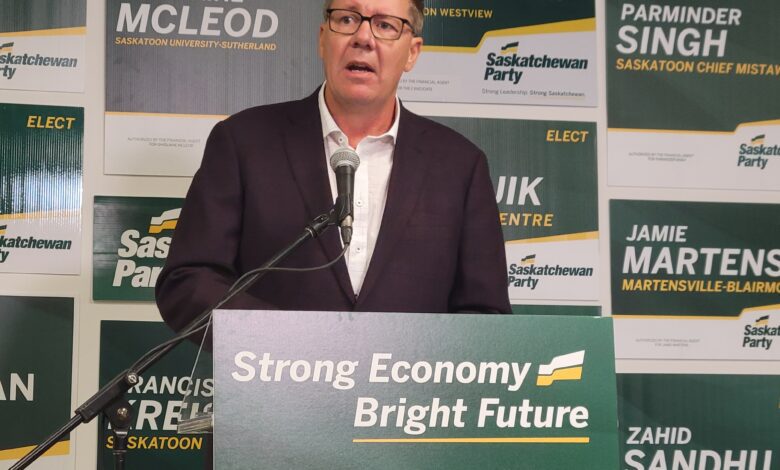
Saskatchewan Party leader Scott Moe promised during the 2024 election campaign to increase the province’s Graduate Retention Program by 20 per cent. The enhanced programme offers eligible graduates up to $24,000 in provincial income-tax credits when they live and file taxes in Saskatchewan.
The programme uses the tax system
The Graduate Retention Program does not normally arrive as a single cheque after convocation. Eligible graduates receive credits over several tax years, with the total based on the type of approved post-secondary programme and tuition paid.
Because the credits are non-refundable, a person generally needs Saskatchewan income-tax payable to use them. Unused amounts can be carried forward within programme rules, so the benefit may take time to realize for a graduate with low initial earnings.
The policy was designed to influence location
Saskatchewan competes with other provinces for nurses, teachers, engineers, tradespeople and other trained workers. A tax credit tied to provincial residence makes remaining in Saskatchewan more financially attractive during the early years of a career.
Retention depends on more than tax. Graduates also evaluate wages, career progression, housing, child care, health services, community and whether jobs match their qualifications.
The campaign promise raised the ceiling
Moe said the maximum benefit for a four-year university programme would rise from $20,000 to $24,000. Other eligible credentials, including certificates, diplomas, three-year degrees and journeyperson qualifications, would receive increases under the enhanced schedule.
The announcement applied to graduates on or after October 1, 2024, subject to eligibility. The timing allowed the Saskatchewan Party to present the change as immediate help rather than a distant aspiration.
Implementation followed the election
The Saskatchewan Party won another majority government on October 28. In March 2025, the province confirmed the 20-per-cent enhancement and said eligible graduates could submit applications for the updated credit.
The government reported that the programme had provided more than $801 million in credits to over 85,200 graduates since 2008. Those figures demonstrate scale, but they do not by themselves prove how many people stayed only because of the credit.
Evaluation requires a comparison
A proper assessment should compare retention among eligible and similar non-eligible graduates, account for labour-market changes and estimate how much of the tax expenditure went to people who would have remained anyway.
Applications, approved credits and claimed credits are different measures. Publishing each would help taxpayers understand uptake and whether the non-refundable structure leaves some intended recipients unable to use the full amount.
The benefit varies between graduates
A higher-income graduate can use a non-refundable credit sooner than someone working part-time or unable to find employment. A person who leaves Saskatchewan generally cannot keep claiming the provincial benefit while resident elsewhere.
That design strengthens the retention link but may provide less immediate affordability support to those in the most precarious transition from study to work.
Employers and services remain decisive
Tax relief cannot compensate indefinitely for a shortage of suitable positions or difficult working conditions. Retaining health workers, for example, also requires manageable workloads, professional support and functioning facilities.
Likewise, a graduate who finds stable work and affordable housing may value the credit as an additional reason to settle. The programme is most plausible as one element of a broader labour and population strategy.
The promise became policy, with results still to measure
The 2024 announcement was not merely campaign language: the returned government implemented the higher amounts for the specified cohort. That establishes delivery, but not yet cost-effectiveness.
The strongest future reporting would show how much of each eligible amount was actually claimed, who benefited by credential and income, and whether retention improved. Until then, the enhanced programme can fairly be described as a significant tax incentive for graduates—useful to many people who build a life in Saskatchewan, but not a substitute for the jobs and public services that ultimately make them stay.



