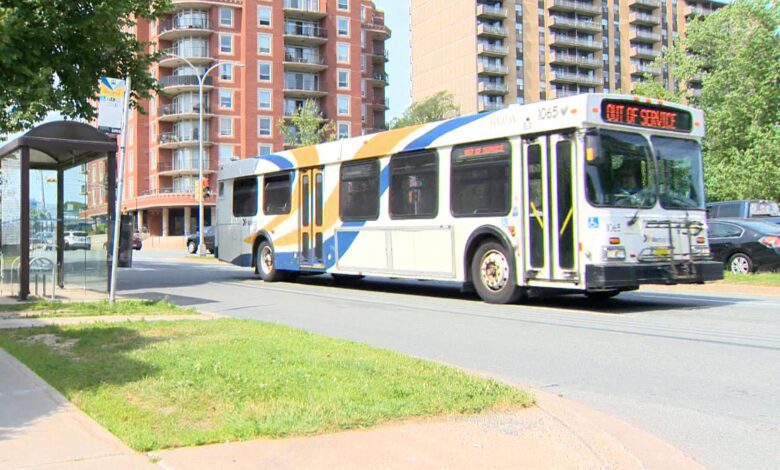
Halifax Transit temporarily removed 43 buses and Access-A-Bus vehicles from service on October 3, 2024, after a wheel came off another bus that was operating on the road. The municipality traced the incident to faulty equipment used to tighten wheels and completed precautionary checks before returning the affected vehicles to service that evening.
The problem emerged during regular service
A wheel separated from a transit vehicle on Thursday, triggering an immediate mechanical investigation. The available public update did not report passenger injuries, but a wheel loss on an operating bus was serious enough to require a fleet-wide response wherever the same maintenance equipment may have been used.
Halifax Transit said the investigation identified faulty equipment used to torque the wheels. Torque is the controlled turning force applied to a fastener; wheel nuts must be tightened to the vehicle maker’s specification and checked using properly calibrated tools.
Forty-three other vehicles were identified
The review found that 43 buses and Access-A-Bus vehicles serving multiple routes could have been affected. They were taken out of service immediately rather than kept running until their next planned maintenance period.
The number did not mean that 43 vehicles had lost wheels or were known to be defective. It defined the precautionary group whose wheels needed to be checked and re-torqued because they might have been serviced with the faulty equipment.
Mechanics went to the vehicles
Transit mechanics were dispatched to inspect and re-torque wheels where the buses were located. That approach avoided moving a vehicle whose fasteners had not yet been cleared and let teams work through the group in parallel.
Passengers could still experience delays or missing trips while vehicles were unavailable. Safety-related interruptions should be communicated route by route so riders using mobility services or making time-sensitive connections can plan alternatives.
Service resumed the same evening
Shortly before 7:30 p.m., Halifax Transit reported that all potentially affected vehicles had been cleared to resume service. The disruption therefore lasted several hours rather than becoming a prolonged fleet withdrawal.
Clearance meant the specified wheel work had been completed. It did not erase the need to understand how faulty equipment entered or remained in the maintenance process and whether earlier work performed with it required any additional review.
Re-torquing addresses a critical connection
Too little clamping force can allow movement between a wheel and hub, while incorrect tightening can also damage fasteners or create uneven loading. Visual appearance alone cannot confirm that each nut meets the required value.
A sound maintenance system therefore depends on calibrated tools, written procedures, technician training, service records and follow-up checks. When one tool is found unreliable, records help identify every vehicle it may have touched.
The response followed a precautionary model
Removing vehicles created a temporary service cost, but leaving an uncertain wheel assembly in passenger operation would have carried a much larger risk. The decision appropriately treated a credible mechanical possibility as enough to inspect, without claiming that every bus was unsafe.
Public reporting is strongest when it separates the initiating incident, the suspected technical cause and the scope of confirmed defects. In this case, one bus lost a wheel, faulty torque equipment was identified, and 43 other vehicles were checked as a precaution.
Accountability continues after service returns
Useful follow-up would establish when the equipment was last calibrated, which maintenance jobs it performed, why routine controls did not detect the problem earlier and what change prevents a recurrence. Those findings matter to operators as well as passengers.
The rapid clearance limited disruption, but the durable safety result depends on the corrective system behind it. A transit agency earns confidence not merely by restoring buses quickly, but by documenting the failure, repairing the process and confirming that future wheel work is independently verifiable.