
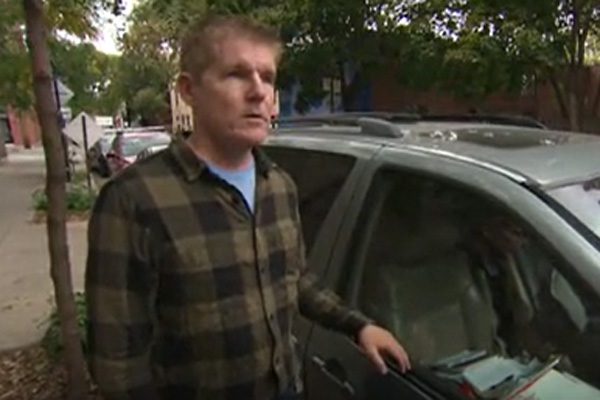
Ontario photographer Wayne Adam lost an estimated 1.2 million images when thieves broke into his van in Montréal on September 7, 2024. Three hard drives containing more than a decade of work disappeared along with computers, identification and other equipment.
The photographs documented Canadian history
Adam had spent years travelling through eastern Canada to photograph national historic sites and other places with federal heritage designations. He hoped to turn the collection into province-by-province guidebooks.
Many designated places remain privately owned and sit outside the most familiar Parks Canada destinations. His archive was intended to make that wider landscape visible.
The break-in happened during a Montréal stop
At about 6 p.m., Adam returned from photographing Christ Church Cathedral to his van parked on Aylmer Street near the Hudson’s Bay store. He found broken glass and realized that a bag, laptops, camera gear, passport and drives were gone.
The camera he had carried with him survived. Rain entering through the broken window added an immediate problem while he tried to understand the scale of the loss.
All three copies were in one place
Adam lived in the van while pursuing the project, leaving limited secure space away from the vehicle. The three drives provided duplicated storage, but because they travelled together, one theft removed every local copy.
He had considered moving a drive or adding online backup the night before. The expected cost of storing so many files had discouraged him from using cloud storage.
He searched through formal and informal channels
Adam filed an online police report and followed up at police stations. He contacted pawnshops, electronics and repair stores, spoke with people around the city and posted notices to online marketplaces and community forums.
He offered a reward because the images were worth far more to him than used drives would be worth to a buyer. Anyone locating suspected stolen property should provide information to police rather than arranging a risky private confrontation.
The number was large but specific
The headline’s reference to “millions” can suggest several million photographs. Adam’s own estimate was about 1.2 million images created over roughly 10 to 12 years—still an extraordinary archive, but one that should be described accurately.
File count also does not equal unique finished photographs. Raw captures, alternate exposures and exports may all contribute, while the historical and personal value cannot be reduced to a count.
Backup design is about separate failures
A common resilience model keeps multiple copies on different storage types, with at least one copy in another physical location. Encryption protects an off-site drive from exposing data if it is stolen, and periodic restore tests show whether a backup is usable.
Cloud storage is one option, not the only one. A trusted secure location, mailed drives, incremental backups and lower-cost archival tiers can reduce the risk for a mobile creator.
Security lessons should not become victim blame
Better backup practice could have limited the data loss, but responsibility for the break-in remained with whoever committed it. People living or working from vehicles face constraints that generic advice often overlooks.
No verified recovery was reported in the available record. Adam continued taking pictures while questioning whether to continue the project. His loss shows why a cultural archive needs preservation planning early—not because theft is deserved, but because irreplaceable work should not depend on one vehicle remaining secure forever.



