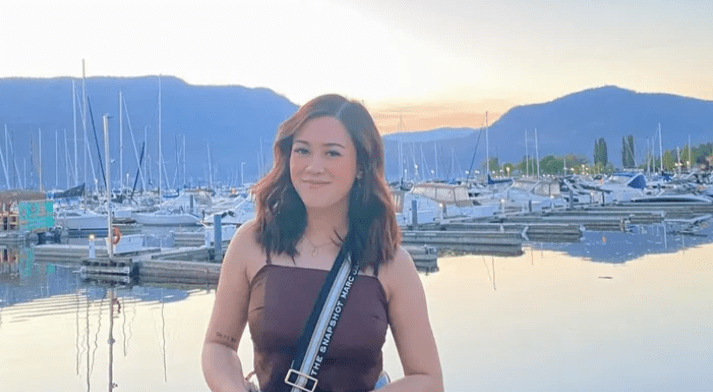
A Kelowna daycare worker was recovering in intensive care after a pickup truck struck her while she was crossing a busy intersection on September 12, 2024. Colleagues rallied around Danica Guinto as the collision renewed concerns about pedestrian safety at Highway 97 and Burtch Road.
The collision happened during a lunch break
Guinto had left Childhood Connections for lunch when she was hit at the intersection. A colleague looking from the daycare recognized that the injured pedestrian appeared to be her co-worker.
Emergency responders transported Guinto to hospital, where she remained in the intensive-care unit.
Her injuries meant a long recovery
People close to Guinto described her condition as serious and said rehabilitation would take time. Medical details beyond those publicly shared by her supporters were private and should not be inferred.
The event affected the children, families and employees who knew her through the daycare.
A fundraiser drew rapid support
Colleague Karli Sanderson organized an online fundraiser to help with expenses during Guinto’s recovery. Donations from daycare families and the wider community quickly passed the initial target.
Public generosity can reduce immediate pressure, although fundraising totals change and are not a substitute for long-term care.
Staff had raised concerns before the crash
Sanderson said workers regularly heard horns, sudden braking and conflict among vehicles near the junction. Multiple movements converge around the highway, turning lanes and access to nearby businesses.
Those observations do not establish legal responsibility for this collision, but they explain calls for a safety review.
Pedestrian timing was one concern
Suggested changes included longer crossing time and protected or advanced turn signals. Traffic engineers normally assess signal phases, collision history, vehicle speeds, visibility and pedestrian volumes before selecting a treatment.
A single measure may not resolve every conflict at a large urban highway intersection.
Authorities awaited the investigation
British Columbia’s Ministry of Transportation said local staff would consider findings or recommendations arising from the RCMP investigation. That distinction mattered: community testimony can identify risk, while investigators establish the circumstances of the crash.
No conclusion about fault should be drawn without their evidence.
Drivers have a heightened duty near crossings
Motorists approaching an intersection must watch for people entering marked crossings and for turning traffic that can obscure sight lines. Pedestrians also benefit from making eye contact where possible and remaining alert through every lane.
These general precautions should never be used to blame an injured person.
The case became a wider road-safety question
Highway corridors that also function as city streets must move traffic while serving people on foot, bicycles and mobility devices. When those functions conflict, design can determine whether an ordinary mistake becomes a severe injury.
For Guinto’s community, the immediate priority was her recovery. For transportation officials, the responsible follow-up was to examine verified collision evidence and recurring near-miss concerns, then explain whether signal, geometry, speed or enforcement changes were warranted. Keeping those two purposes separate supports both compassion and accurate public accountability.
Any engineering response should also be reviewed after implementation. Collision patterns, pedestrian wait times and observed turning conflicts can show whether a change works or whether additional measures are necessary. Publishing that follow-up would let the community evaluate progress without relying on a single tragic event as the only evidence.