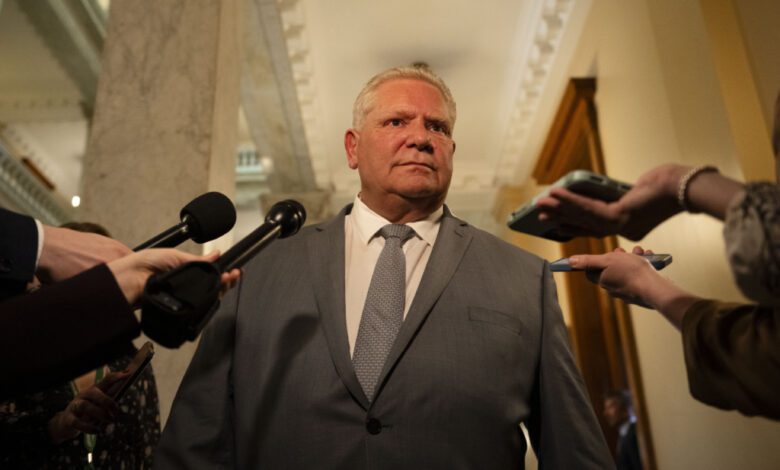
Ontario Premier Doug Ford said in September 2024 that a wider review of child welfare might be necessary after renewed reporting on the death of a four-year-old girl. Provincial data also showed hundreds of deaths among children recently connected with the care system.
The girl’s case exposed serious gaps
Her body was found in a Toronto dumpster in May 2022, and investigators believed she may have died the previous summer. Reporting indicated two children’s aid societies had known or cared for her before her file was closed.
The circumstances required investigation without identifying surviving children unnecessarily.
Ford said the system failed her
The premier called the death an absolute tragedy and said reform should prevent repetition, even if that required a broader scope. The government was already reviewing how children’s aid operates.
A promise of scope needed specific authority, deadlines and public findings.
Mortality data demanded careful reading
A ministry summary recorded 354 deaths between 2020 and 2022 among children in care or with a file open or closed within the previous 12 months. That averaged roughly one every three days.
Association with the system does not mean child-welfare action caused every death.
Many causes were undetermined
About one-third lacked a determined cause in the summary, while medical and accidental deaths were also prominent. Suicide accounted for a smaller but grave share.
Missing information makes prevention harder and should prompt better review, not speculation.
Closing a file is a critical decision
Agencies must judge whether risk has fallen enough to end involvement. Handoffs, family movement and information split across regions can create dangerous gaps.
Independent case review should identify which warning signs or records were missed.
Workforce conditions affect safety
High caseloads, turnover and limited placement options can reduce meaningful contact with children. Training cannot compensate for workloads that prevent timely visits and documentation.
Reform should measure front-line capacity rather than only reorganize agencies.
Indigenous children require community authority
They have been disproportionately separated from families through systems shaped by colonial policy. Indigenous-led services and prevention can protect children while maintaining culture and kinship.
Those agencies need equitable, predictable funding and jurisdictional respect.
Transparency must protect privacy
Ontario can publish standardized mortality reviews, recommendations and completion status without exposing children or families. Independent oversight needs access to full records.
Unexplained aggregate numbers should not disappear into internal reports.
A wider scope should lead to concrete prevention
Useful reforms include shared records, manageable caseloads, family support, safe placements and mandatory learning after deaths. Progress indicators should cover recurrence, placement stability and timely response.
Ford’s words acknowledged the scale of failure, but the test was implementation. Every death has distinct causes; responsible reform examines them rigorously while building a system able to see, hear and protect children before danger becomes irreversible.
Families also need routes to raise alarms
Relatives, educators and community workers may hold pieces of information that never reach the responsible agency. Ontario could simplify referrals, confirm that concerns were received and protect good-faith reporters while preventing harassment through repeated malicious claims. Children require private, age-appropriate ways to speak with trusted professionals. These safeguards would not replace skilled investigation, but they could reduce the chance that fragmented warnings are dismissed or lost between organizations.