
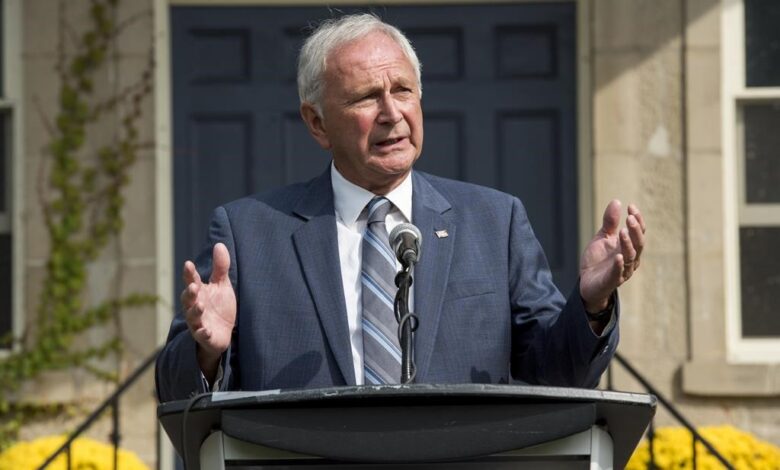
New Brunswick Progressive Conservative leader Blaine Higgs promised during the 2024 provincial election to let non-profit organizations seek public money for security cameras, stronger locks and similar measures. The proposal followed vandalism at a Fredericton synagogue and applied to mosques, churches and other community facilities as well.
The existing fund would be expanded
Higgs said a re-elected government would amend the Community Investment Fund rather than announce a separate security programme. At the time, the fund allocated $70,000 annually to each member of the legislative assembly for local projects and priorities.
Eligible non-profits would be able to request support for physical security. That could make small improvements possible without requiring a congregation or community group to navigate a large infrastructure programme.
A synagogue had been vandalized
In January 2024, windows at a Fredericton synagogue were broken in an incident the public safety minister condemned as antisemitic. The damage intensified concern among religious communities about whether open gathering spaces were adequately protected.
When asked why support had not arrived earlier, Higgs acknowledged that governments could always question whether they acted quickly enough and described the proposal as another step in public safety.
Security must be available on equal terms
The party’s written announcement referred to synagogues, mosques, churches and any other community facility. Equal criteria matter because threat levels can change and political discretion should not determine which faith receives protection.
A sound programme would publish eligible expenses, application deadlines, maximum grants and objective risk factors. Smaller organizations may need help preparing an assessment so funding does not flow only to groups with professional grant writers.
Cameras are not a complete safety plan
Video can deter some conduct and preserve evidence, while lighting, access control, alarms, shatter-resistant material and staff training address different risks. Emergency planning should include evacuation, medical response and communication with police.
Technology also creates obligations. Organizations need limits on who can view footage, how long it is retained and when it is shared. Cameras should not become a reason to monitor peaceful worshippers or community members without cause.
Prevention also means confronting hate
A stronger door may reduce damage but does not address the ideology or harassment behind a targeted act. Governments should pair physical security with reliable hate-crime reporting, victim support, education and prompt investigation of credible threats.
Political leaders have a particular responsibility to avoid rhetoric that portrays religious or ethnic communities as dangerous. Protection loses credibility when a government funds locks while tolerating dehumanization.
The election setting deserved scrutiny
Higgs made the promise two weeks before voting while campaigning for a third term. Announcing a policy during an election does not make it insincere, but voters were entitled to ask about cost, implementation and why existing fund rules had not already been changed.
The Progressive Conservatives did not win the election, and Higgs lost his own seat. The proposal should therefore be understood as a campaign commitment, not a completed province-wide entitlement.
A useful idea needs durable administration
Religious and community organizations should be able to gather without absorbing unaffordable security cost after a threat. Using an established local fund could be quick, though it also risks uneven access among electoral districts.
The best version would set province-wide standards, protect privacy, assess actual risk and report grants transparently. The 2024 promise identified a genuine need; lasting safety required more than cameras and more than a campaign announcement.



