
Ontario’s New Democratic, Liberal and Green parties said in October 2024 that they would seek to cancel the province’s 95-year lease with Therme Canada for a waterpark and spa at Ontario Place. The newly published contract showed that withdrawal could carry substantial public cost.
The lease covered most of a century
The Ford government selected Therme as a private development partner for Ontario Place’s West Island. The project was presented as family recreation and wellness alongside free public park, beach and green space.
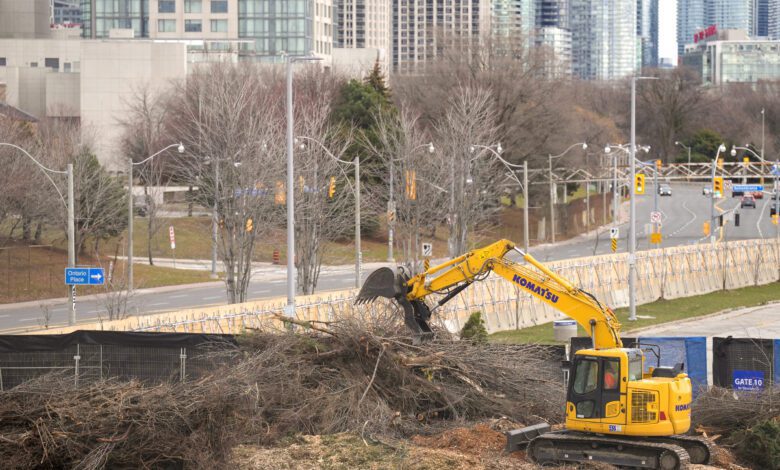
Critics objected to using prominent public waterfront land for a private spa and questioned the procurement, public subsidies, parking commitments and removal of mature trees. The disagreement concerned both the facility and how the deal was made.
Early cancellation carried a stated payment
The lease included a contractual route under which a provincial default before handover could require a $30-million indexed payment and return of Therme’s deposit. The exact legal and financial consequence would depend on the termination provision invoked and the facts at the time.
It was therefore misleading to treat $30 million as a universal fixed price for cancellation. Governments can legislate, negotiate or litigate, but each path can create compensation claims, delay and other costs.
Later termination became more complicated
Once Therme controlled and operated the site, the contract contemplated termination only after ten years of operation with five years’ notice. Ontario would have to seek an alternative location, cover demolition and make a payment tied to earnings.
Those obligations illustrated why long public-private agreements constrain future governments. They also protected a company making a large capital investment from a sudden political reversal.
All three opposition parties objected
The NDP said it would cancel a deal it viewed as contrary to the public interest. The Liberals promised investigation, due diligence and an effort to end it. Green leader Mike Schreiner said his party would act before initial construction.
These were political commitments, not completed termination plans. A credible promise required identifying the legal power, total expected liability, replacement use for the site and treatment of work already performed.
The government defended the partnership
Infrastructure Minister Kinga Surma said Therme would deliver recreation and that the revitalized site would include more than 50 acres of free public space. The lease was expected to generate nearly $2 billion in rent and maintenance-related contributions over its term.
Long-term nominal revenue should not be compared casually with immediate construction cost. A transparent business case uses present value, risk allocation, public infrastructure obligations and alternative land uses.
Later scrutiny strengthened accountability concerns
Ontario’s auditor general subsequently found the broader redevelopment selection process was not fair, transparent or accountable and reported that estimated public costs had grown substantially. That finding added official weight to questions that were political allegations when the lease first appeared.
It did not automatically void the contract. Contract enforceability, procurement findings and political desirability are related but separate issues.
Cancellation required more than a slogan
Supporters could reasonably argue that redevelopment and private capital would restore a neglected site. Opponents could reasonably prioritize public control and question whether the chosen project justified its obligations.
The central public-interest test was disclosure: full costs, parking commitments, revenue assumptions, termination exposure and alternatives. Voters could then judge whether completing, renegotiating or cancelling the lease offered the best value. Promising cancellation addressed public anger; explaining the lawful, priced route was the harder work of governing.



