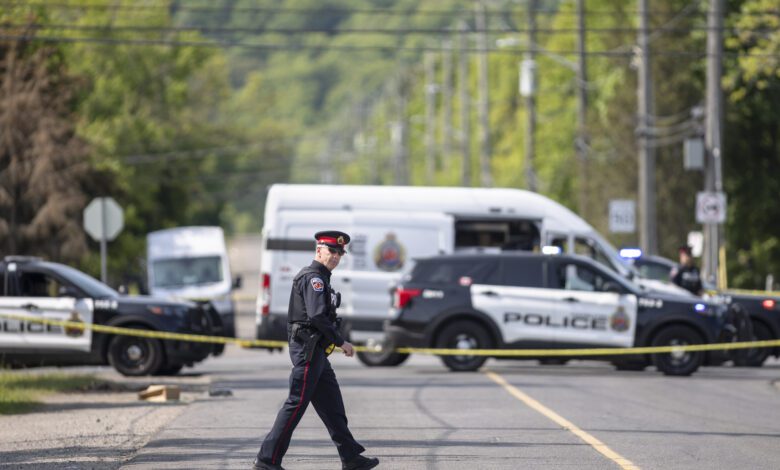
Hamilton recorded an unprecedented rise in shootings during 2024, leaving residents, workers and downtown businesses worried about daily safety. Police reported 53 shootings by early October, already exceeding the previous annual record of 51 set in 2020.
The record was reached before year-end
Hamilton Police Service had counted 51 shootings by September 26 and 53 by the time the issue received renewed attention in early October. The total later reached 60 for the year, according to police budget material.
A shooting count measures incidents, not necessarily deaths or individual offenders. Several shots in one event may count as one occurrence, while one conflict can produce multiple events. Comparisons are useful only when the definition remains consistent.
Businesses described a wider impact
Downtown restaurant managers told reporters that staff felt unsafe leaving late shifts and that some establishments added security. Business representatives said fear reduced customer visits, complicated recruitment and threatened confidence in major events.
Those experiences matter, but they do not mean every street or resident faced the same risk. Police frequently described particular shootings as targeted. “Targeted” does not make an event harmless: bullets can strike bystanders, and visible violence changes how an entire neighbourhood uses public space.
Police emphasized firearms enforcement
In a September statement, Chief Frank Bergen said a small number of people were engaging in reckless conduct. Police reported hundreds of firearm seizures during 2024 and cited arrests and charges arising from gun investigations.
Seizure totals are an activity measure, not direct evidence that shootings have fallen. They can include weapons recovered in unrelated cases, and charges remain allegations until proven. A credible strategy reports outcomes alongside enforcement numbers.
The city funded community prevention
Hamilton said it planned to invest nearly $2.5 million between 2023 and 2026 in community initiatives addressing youth gun and gang violence. Early intervention can focus on mentoring, education, employment, trauma support and safe ways to leave a violent group.
Such programmes require stable relationships and long evaluation periods. Counting participants is not enough; evaluators should examine school connection, victimization, repeat offending and whether the people at highest risk were actually reached.
Residents need more than reassurance
Police can publish timely, anonymized occurrence data and explain whether trends are concentrated by location, relationship or weapon source. That supports targeted prevention without identifying victims or turning whole neighbourhoods into stereotypes.
Witnesses may hesitate because they fear retaliation. Confidential reporting, victim services and protection from exposure are therefore central to investigations. Anonymous tips can help, although they still require independent corroboration.
A public-health and justice response can coexist
Urgent threats demand policing, evidence collection and fair prosecution. Longer-term prevention addresses the conditions through which disputes become lethal: weapon access, trauma, social exclusion, organized recruitment and lack of trusted support.
Neither frame should erase victims. Community organizations need resources, while courts and police need legitimacy, due process and oversight. Racial profiling or broad surveillance can damage cooperation and divert attention from specific behaviour.
What progress should look like
The clearest success measure is a sustained reduction in shootings, injuries and deaths—not one quiet month or a large press-conference seizure. Public reports should compare like periods, explain revisions and include independent evaluation of funded programmes.
Hamilton’s 2024 record justified the alarm expressed by residents and businesses. It also required precision: most people were not offenders, charges were not convictions, and fear alone was not a strategy. Durable safety depended on focused enforcement, credible witnesses, youth prevention and transparent evidence about what worked.