
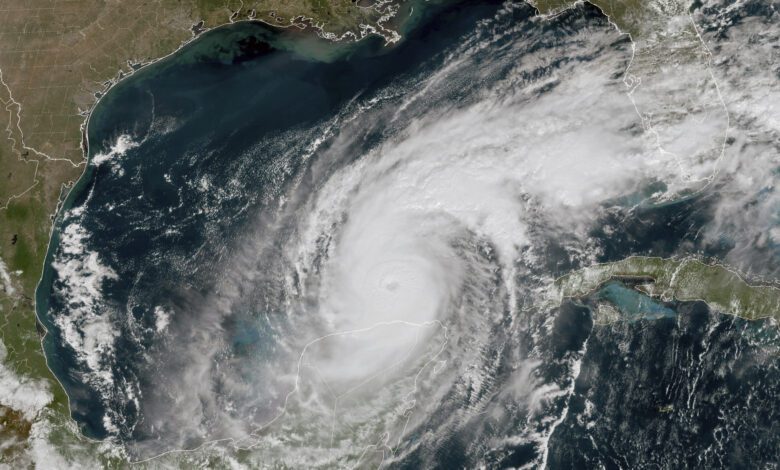
Canadians who owned Florida property faced a difficult combination as Hurricane Milton approached in October 2024: immediate life-safety decisions, separate wind and flood insurance rules, and limited eligibility for U.S. federal disaster assistance. Protecting a vacant home could never justify ignoring an evacuation order.
Safety came before property
Milton intensified to Category 5 over the Gulf of Mexico before reaching Florida’s west coast on October 9 as a major hurricane. Forecasts warned of destructive wind, heavy rain, tornadoes and life-threatening storm surge.
Canadian travel guidance urged people in affected areas to follow local authorities and avoid non-essential travel. An airport, bridge or barrier island can close before conditions at a particular house appear dangerous.
Owners already in Canada should not ask a neighbour or contractor to enter an evacuation zone merely to photograph property. Inspection should wait until officials permit safe return.
Ordinary home insurance may not cover flooding
Florida mortgage lenders often require windstorm coverage, but storm-surge and inland flood damage are generally addressed through a separate flood policy. The exact exclusions, deductibles and limits depend on the contract.
National Flood Insurance Program policies had federal limits, while private insurers could offer different protection. Owners needed both policy documents and professional advice rather than assuming that “hurricane coverage” included every cause of loss.
Coverage could not be purchased retroactively for an approaching loss. Florida insurers may stop issuing or expanding policies once a watch or warning is in effect, and claiming pre-policy damage would be fraud.
Preparation starts before a storm is named
The Canadian Snowbird Association recommended maintaining roofs, windows and doors, clearing gutters, trimming damaged branches, recording possessions and keeping legal and financial information accessible.
A dated photo or video inventory, off-site copy of the insurance policy and contact details for the property manager can make a later claim easier. Shutters and exterior items should be secured well before travel becomes unsafe.
Non-resident owners face assistance limits
More than half a million Canadians were reported to own Florida property. U.S. Federal Emergency Management Agency individual assistance generally requires U.S. citizenship, non-citizen-national status or another qualifying immigration status.
That made private insurance and personal contingency funds especially important for many Canadian owners. Eligibility rules are programme-specific, so a person with dual status or a qualifying household member should obtain an official determination rather than self-reject.
Document damage before permanent repair
Once authorities allow access, the owner or a trusted local representative can photograph each room and exterior area before cleanup. Reasonable steps should be taken to prevent additional loss, such as covering an opening, while retaining receipts and damaged material where the insurer requests it.
The insurer should be contacted promptly and before signing a major repair contract. Contractors should be licensed and insured, and owners should be cautious about assignment-of-benefits documents, large advance payments and people who appear unsolicited after a disaster.
Florida law allowed time to report a claim, but delay could complicate inspection and separate new damage from deterioration. The applicable deadline must be confirmed for the policy and date of loss.
A property plan is also a travel plan
Canadians have limits on how long they may remain in the United States and may not be able to reach Florida quickly. A written arrangement with a property manager, neighbour or service can establish who has keys, authority to mitigate damage and insurer contact details.
Milton’s rapid intensification showed why these decisions cannot wait until landfall. The sound approach was to evacuate when told, rely on separate wind and flood coverage appropriate to the property, preserve documentation and use verified local help only after the area reopened.



