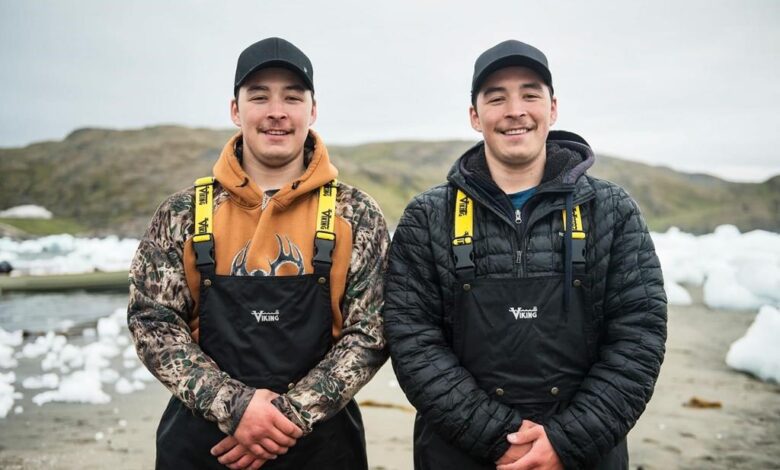
Residents of Salluit demanded answers after Nunavik Police Service officers shot twin brothers Joshua and Garnet Papigatuk while responding to a reported impaired-driving incident in November 2024. Joshua died and Garnet was seriously injured and transported to a Montreal hospital.
What was known initially
Salluit is an Inuit fly-in community approximately 1,850 kilometres north of Montreal. Quebec’s police watchdog said two officers arrived after an early-morning call and became involved in a physical altercation with the brothers. The initial public record did not establish the full sequence, what weapons were present or why officers fired.
Those gaps matter. A fatal police encounter should not be reconstructed from assumptions, and official language should not be treated as a final finding before witnesses, forensic evidence and officer accounts are examined.
A community grieving and protesting
Friend Mosusi Tarkirk identified the brothers and said residents were shocked and angry. A “Justice for the Twins” movement organized marches in Salluit and other northern communities, while supporters raised money for the family.
Tarkirk said many residents did not feel safe with a police service whose members largely came from southern Quebec. That statement reflected community experience and a wider question about trust, language and cultural competence; it was not a finding about every individual officer.
The independent investigation
Quebec’s Bureau des enquêtes indépendantes opened an investigation because a civilian died and another was seriously injured during police intervention. A blizzard initially prevented watchdog investigators and provincial police support personnel from reaching Salluit.
Geography and weather can delay evidence collection, making immediate scene preservation especially important. Investigators need dispatch recordings, communications, physical and medical evidence, witness interviews and applicable police policies. The final report should explain both what happened and whether tactics before the shooting created avoidable risk.
Policing in Nunavik
Remote communities face limited backup, housing shortages and long travel times for specialized services. Those conditions can make policing difficult, but they also strengthen the case for officers trained in Inuit culture, trauma, de-escalation and local language.
Recruitment from the community and civilian oversight can improve legitimacy, provided positions have stable funding and meaningful authority. Mental-health, addiction and transportation services can reduce the number of situations that reach police as crises.
Accountability without prejudgment
The family and public deserved timely facts and an investigation independent of the involved service. The officers also retained legal rights, including a process based on evidence rather than public anger. These principles are not contradictory.
Authorities should publish a clear timeline, relevant use-of-force standard, investigative conclusion and any recommendations. If criminal charges are not laid, the public still needs enough reasoning to understand why; if charges follow, guilt remains for a court to determine.
Joshua Papigatuk’s death should not be reduced to an abstract debate about policing. He was a person mourned by a twin, family, friends and community. Garnet’s recovery and account were also important and deserved privacy and care.
The statement that the encounter “should never have ended like that” expressed a community’s grief and demand for prevention. Answering it required more than defending or condemning officers in advance. It required an evidence-based account, culturally credible oversight and concrete changes wherever the facts showed they were needed.