Fredericton Public Library reopened on October 8, 2024, one week after extensive vandalism damaged walls, computers and first-floor facilities. Staff and repair crews restored public access far sooner than the initial scene suggested, while police charges arising from the incident remained before the courts.
Damage discovered after an alarm
Police were alerted at approximately 6:40 a.m. on September 30. Inside the downtown library, someone had smashed walls and computers, discharged fire extinguishers and caused water damage. A broken window was visible near the book-return area.
About $300 was taken from an internal fund contributed by employees for staff. The city’s building manager estimated the wider repair cost at between $50,000 and $100,000, subject to the final scope.
An accused man faced charges
Police arrested Kelly Gordon Kleim and charged him with breaking and entering, mischief and theft over $5,000. Library board chair Ben Wolthers said Kleim had used the library.
Charges are allegations, not findings of guilt. Police had not publicly established a motive, and neither city nor library representatives speculated about one. Familiarity with the building did not by itself explain the conduct.
Repairs moved quickly
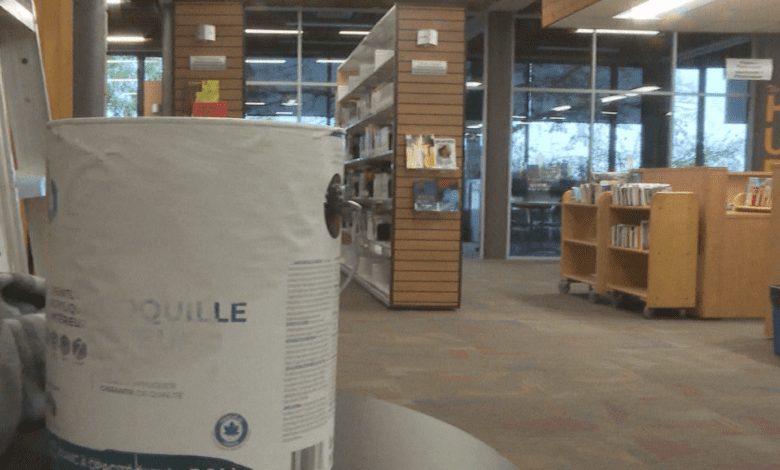
After cleanup, staff determined that the apparent devastation did not require a long closure. On reopening day, remaining signs included painting materials, active repair workers and a missing water fountain in the children’s area.
Opening before every cosmetic repair was finished restored services while work continued. Management still needed to confirm that electrical, water, air-quality and technology systems were safe before admitting the public.
Residents described more than a book collection
Parents returned for story time and social contact. Other patrons depended on computers, scanners, internet access, quiet workspace and help from staff.
For people without stable housing, the library provided a welcoming indoor place and connections to information. Fredericton Homeless Shelters director Warren Maddox credited patient library staff with helping vulnerable people through serious situations.
That range of uses explains why a one-week closure could affect employment, education, family routines and personal safety. A public library is one of the few civic spaces where entry does not require a purchase.
Staff also experienced the incident
Visible repairs can make a building look normal before employees feel normal. Staff encountered the aftermath, lost equipment and worked through cleanup while answering questions from concerned residents.
A responsible recovery plan includes mental-health support, clear security procedures and realistic workloads rather than expecting employees to absorb disruption because reopening is popular.
The community responded with support
Residents contributed close to $10,000 to the library’s endowment fund for programming and books. The response demonstrated the institution’s connection with Fredericton, though restricted donations could not necessarily be used for every repair or security expense.
City and library officials could separately report insurance recovery, repair costs and any security improvements so donors understand how public and private funds were used.
Recovery without unsupported conclusions
Security review can examine alarms, access points, water shutoffs, computer placement and continuity plans. It should protect an open, accessible environment rather than turning the library into a space that feels hostile to ordinary users.
The reopening was worth celebrating because services returned and damage proved repairable. The unresolved criminal case still required due process, and the lack of a stated motive should remain a lack—not an invitation to attach the incident to homelessness, mental illness or another group without evidence.