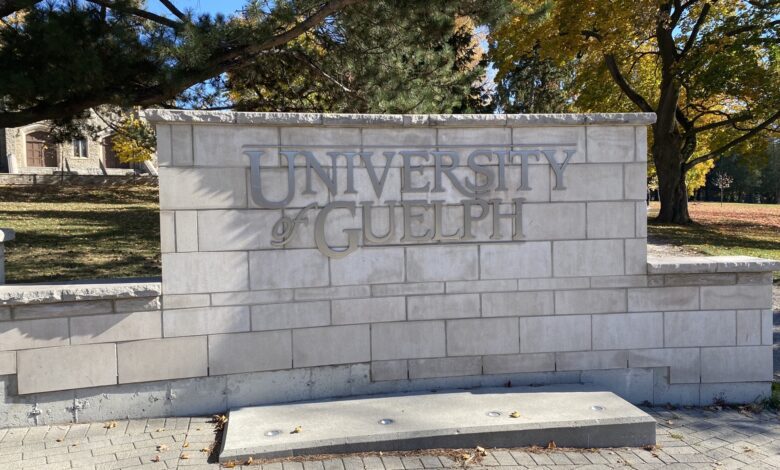
The University of Guelph and the University of Guelph Faculty Association ratified a collective agreement in October 2024, avoiding a potential strike. The agreement covered faculty members, librarians and veterinarians and was scheduled to remain in force through June 2027.
From negotiations to ratification
The parties reached a tentative deal on October 20 after nearly two dozen bargaining meetings. A tentative agreement does not end the process by itself; it normally requires approval through the union and employer procedures before becoming binding.
The university later announced that ratification had been completed. The agreement took effect from July 1, 2024, reflecting the period after the previous terms expired or the negotiated commencement date.
Who was represented
The faculty association represented professors as well as librarians and veterinarians. Those roles can involve teaching, research, clinical work, collections, student supervision and public service, so workload cannot be reduced to classroom hours alone.
A university agreement needs definitions that recognize different appointments while providing transparent processes for assigning work and resolving disputes.
Workload and compensation
The university said the new deal addressed key priorities including workload and compensation. The public announcement did not provide every clause, and readers should consult the final collective agreement before drawing conclusions about salaries or individual duties.
Compensation influences recruitment and retention, while workload affects teaching quality, research capacity and employee health. Bargaining requires choices within university revenue, public funding and institutional priorities.
What students needed to know
Averted job action meant classes and academic services could continue without the immediate disruption students had been preparing for. It did not mean negotiations had been unnecessary; the possibility of lawful action forms part of collective bargaining.
Universities should communicate deadlines and contingency plans without asking students to take sides. International students, researchers, clinical clients and people close to graduation can face different consequences from even a short interruption.
Respectful negotiations as an outcome
The institution described the meetings as open, respectful and constructive. That account came from an official release and did not provide a complete independent evaluation of the bargaining process, but the ratified settlement demonstrated that both parties reached terms they could recommend or accept.
Labour peace is not merely the absence of a strike. Implementation determines whether workload processes, pay adjustments and other commitments work as intended. Grievance data and future labour relations can reveal whether ambiguous provisions were truly resolved.
Transparency after the deal
The university said a copy of the agreement would be posted later. Publication allows members, students and taxpayers to understand the rules governing a major part of the institution’s work.
Headlines about an averted strike can overemphasize the crisis and understate the substance. The durable story was a multi-year agreement reached through bargaining and ratification. Its success would be measured through predictable operations, fair treatment of the represented employees and the university’s ability to deliver teaching, research and services through June 2027. Students and employees could then judge the agreement by its implementation, not only by the immediate relief that a walkout was avoided.