
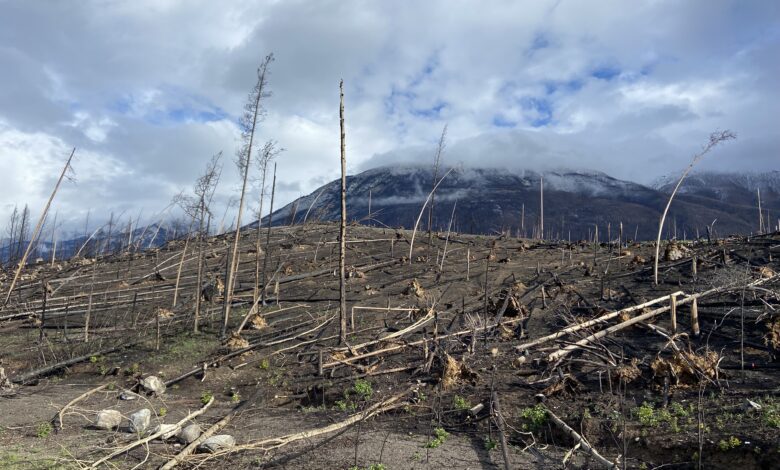
Parks Canada reopened Maligne Road and several surrounding destinations in Jasper National Park on October 11, 2024, marking a significant stage in recovery from the July wildfire. Visitors returned to a landscape of charred trees and destroyed facilities alongside early signs of ecological renewal.
What reopened
The reopening included Maligne Road, Maligne Lookout, Maligne Lake and nearby day-hiking trails. Celestine Road, the Fifth and Sixth Bridge Loop and selected backcountry trails in unburned areas also reopened.
Reservations for available fall and winter backcountry campsites opened at 2 p.m. Mountain Time on October 10 for stays beginning the following day. Other parts of the park remained closed while crews assessed hazards and completed cleanup.
One of the hardest-hit corridors
Parks Canada described Maligne Road as one of the areas most heavily affected by the fire. Along the corridor, hundreds of trees had burned or fallen, opening views that dense forest previously concealed.
At Maligne Lookout, fire destroyed benches and gazebos. Reopening the road did not mean every facility had been restored or every trail was safe. It meant the agency had assessed designated access as suitable under the conditions and controls then in place.
Hazards continue after flames subside
Burned trees can fall without much warning, particularly during wind, snow loading or freeze-thaw cycles. Damaged slopes may shed rock or debris, and bridges, signs and trail surfaces can require repeated inspection.
Visitors should obey barriers and closure notices, remain on open routes and check current Parks Canada conditions before departure. Entering a closed area can expose both the visitor and rescue personnel to hazards while interfering with recovery work.
Smoke seen inside a known fire perimeter does not always represent a new wildfire, but smoke outside the perimeter or another immediate danger should be reported through the park’s emergency channels.
Nature was already responding
New saplings emerging from ash illustrated that fire is also an ecological process in mountain forests. Different plants respond at different speeds, and burned habitat can support insects, birds and mammals that use standing dead wood or new ground vegetation.
Recovery is not equivalent to recreating the former landscape. Parks staff must balance public access, habitat protection, erosion control and decisions about where infrastructure should be rebuilt.
A community and economy in recovery
The July fire displaced residents and destroyed about one-third of the town’s structures. Jasper’s tourism-dependent businesses faced the difficult task of welcoming visitors while residents were rebuilding homes and essential services.
Other destinations had reopened in stages, including Miette Hot Springs, the Columbia Icefield, Sunwapta Falls, Athabasca Falls, Pyramid Lake, Old Fort Point and Lake Annette. Jasper Park Lodge had reopened, and Marmot Basin was preparing for the winter season.
The federal government also announced relief of up to $15.2 million in rent and related fees charged to the municipality, residents and businesses on federal park land. Such relief could ease immediate pressure but could not replace lost homes, revenue or infrastructure.
Responsible visitation can support recovery
Travellers can help local businesses by using open accommodation, restaurants and services, while respecting that reduced capacity may affect bookings and hours. Plans should be flexible because safety assessments, weather and restoration work can change access.
The October reopening was neither a declaration that Jasper had fully recovered nor an invitation to explore every burned area. It was a controlled return to one of the park’s best-known corridors. The durable approach is to follow current notices, give crews room to work and allow both the community and the landscape to recover at a pace dictated by safety rather than demand.



