
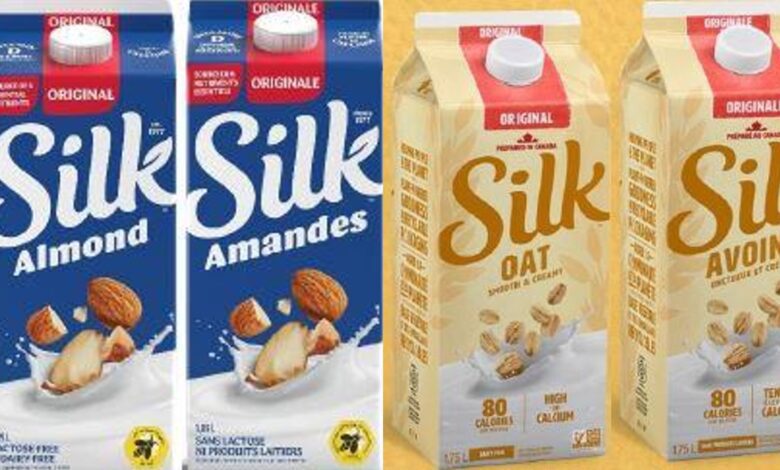
The Public Health Agency of Canada declared in its final notice of October 11, 2024 that a Listeria outbreak linked to recalled Silk and Great Value refrigerated plant-based beverages appeared to be over. Twenty laboratory-confirmed illnesses, 15 hospitalizations and three deaths were connected to the outbreak.
Where and when people became ill
Ontario reported 13 cases, Quebec five, and Alberta and Nova Scotia one each. Patients ranged from seven to 89 years old; 70 per cent were 50 or older and 65 per cent were female.
Illnesses began between August 2023 and mid-July 2024. The final epidemiological curve recorded no illness onset in August, September or early October, which allowed PHAC to close the outbreak investigation after accounting for Listeria’s long incubation period.
The national recall
The Canadian Food Inspection Agency issued a Class 1 recall on July 8 for specified Silk and Great Value almond, oat, coconut and blended refrigerated beverages. Affected products carried listed UPCs, dates up to and including October 4, 2024, and a product code containing 7825.
Consumers were told not to drink, serve, sell or distribute a recalled item. They were to discard it or return it to the place of purchase. Brand name alone was not sufficient to identify every affected package; the exact product, size, UPC, date and code had to be checked against the recall notice.
What investigators found
Investigators traced the products to a production line at a third-party Joriki facility in Pickering, Ontario used by Danone Canada. The outbreak strain of Listeria monocytogenes was confirmed in the production environment.
PHAC said the primary site of contamination within that environment could not be identified. Production remained stopped while lines were disassembled and the facility underwent renovations and enhanced safety work; it could not restart until corrective measures were implemented and CFIA was satisfied that contamination had been eliminated.
“Over” did not cancel the recall
Closing an outbreak investigation means surveillance no longer indicates ongoing new cases connected to the event. It does not declare a recalled carton safe, reverse the recall or prove that investigators located the first contaminated surface.
The products had long shelf lives, and Listeria can survive refrigeration. At the time of the notice, anyone with a potentially affected beverage still needed to follow the CFIA disposal instructions.
Symptoms and higher-risk groups
Possible symptoms include fever, nausea, cramps, diarrhea, vomiting, headache, constipation and muscle aches. Severe infection can spread to the nervous system and cause confusion, stiff neck, loss of balance or a severe headache.
Symptoms of serious listeriosis can appear as long as 70 days after exposure. People who were pregnant, over 60 or immunocompromised, as well as newborns and unborn babies, faced greater risk of severe outcomes. Pregnant patients may have only mild flu-like symptoms while the infection still threatens the pregnancy.
Anyone who believed they became ill after consuming a recalled beverage was advised to contact a health-care provider. Emergency symptoms require urgent medical assessment rather than self-diagnosis from a product notice.
Accountability after the closure
CFIA completed its food-safety investigation later in October 2024 and subsequently commissioned an Inspector General review covering plant-based manufacturing oversight, licensing and earlier consumer complaints. The review was intended to identify system improvements, not merely assign a cause after the immediate hazard had passed.
The final count—20 illnesses, 15 hospitalizations and three deaths—showed why “plant-based” does not mean microbiologically risk-free. Ready-to-drink refrigerated products need the same environmental monitoring, sanitation controls, traceability and rapid recall discipline expected elsewhere in the ready-to-eat food system.



