
Quebec’s Education Department placed two monitors at Montreal’s Bedford elementary school on October 15, 2024 after an investigation described a climate of fear and intimidation. The intervention followed findings about student safety, teaching quality and a group of staff members that investigators said had gained improper influence over the school.
What the investigation found
The provincial report described physical and psychological violence, including yelling, humiliation and intimidation directed at students and staff. It also identified insubordination, incivility and interference with the authority of school management.
Investigators said access to some classrooms had been refused or discouraged, preventing observations and support for children with particular needs. They also found that oral communication, science and technology, ethics and religious culture, and sexuality education were sometimes not taught or received too little attention.
The “dominant clan” finding
The report used the term “dominant clan” for a group of teachers accused of imposing a strict and autocratic approach. That description was an institutional finding, not a licence to generalize about the school’s families, religious communities, immigrants or teachers as a whole.
Accountability properly attached to documented conduct and professional duties. Reporting the allegations without that distinction could stigmatize hundreds of pupils and employees who were not accused of wrongdoing.
The first corrective measures
The two monitors were asked to prepare an action plan by November 30. Their mandate included restoring a healthy and safe climate, ensuring staff competence, clarifying management authority and improving the functioning of the school’s governing board.
The department also created investigative committees for 11 teachers named in the report. Those committees had to determine whether serious misconduct or conduct incompatible with the dignity of the profession had occurred; the October announcement was not itself the final determination.
Checks at other schools
Quebec ordered reviews at Saint-Pascal-Baylon and Bienville elementary schools and La Voie secondary school, all within the Centre de services scolaire de Montréal. The purpose was to assess school climate and possible interference in governance, not to presume that the same conduct existed at every location.
The province urged the school service centre to use administrative and legal powers to restore proper governance. Effective intervention also required confidential ways for children, parents and staff to report problems without retaliation.
Suspensions and due process
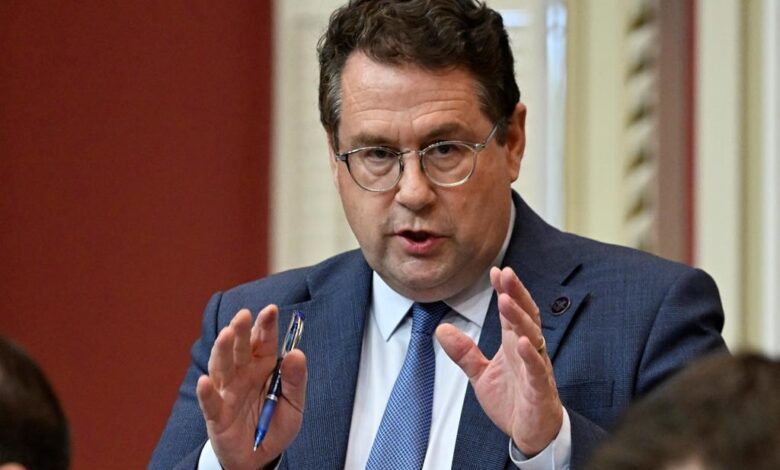
On October 19, the CSSDM suspended the 11 teachers after receiving their identities from the investigative committees. Three days later, Education Minister Bernard Drainville suspended their teaching authorizations while the inquiries continued.
Interim suspension protected pupils while preserving a process in which evidence could be tested. It should not be confused with a criminal conviction, and the affected teachers retained employment and administrative-law rights.
Why oversight had failed
The report raised questions about how classroom restrictions, programme gaps and intimidation could persist despite earlier complaints. A corrective plan therefore needed more than replacing individuals: it required clear supervision, curriculum audits, protection for whistleblowers and documented follow-up.
Parents also needed specific evidence that required subjects were being taught and that specialist staff could enter classrooms. Public reassurance without measurable checks would not repair trust.
The later outcome
In May 2026, Quebec’s Education Department confirmed that the teaching licences of all 11 educators had been revoked following the committee process. Reporting on the final intervention said 38 programme non-compliances had been identified and that an action plan had corrected several problems.
The later decision completed the licensing process but did not erase the need for continuing supervision. The durable standard is a school where pupils are safe, the Quebec curriculum is delivered, support professionals can do their work and no informal group can override lawful management.



