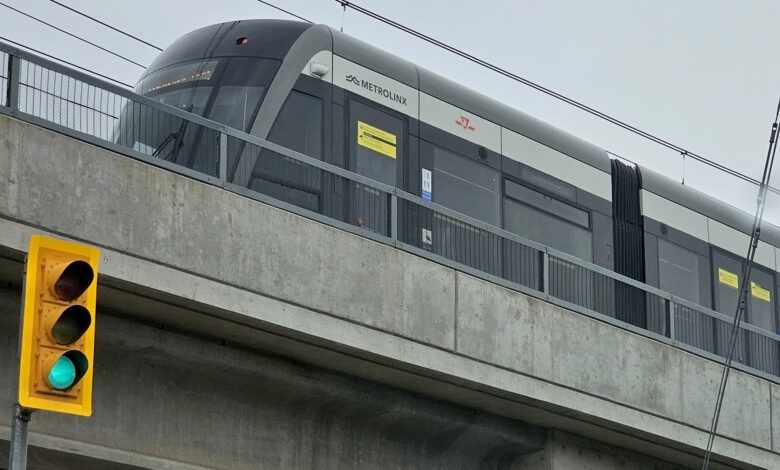
Two senior Metrolinx executives left the provincial transit agency in an October 2024 staffing shakeup as the Eglinton Crosstown, Finch West and Hurontario light-rail projects remained without opening dates. The chief planning officer and chief operating officer for rapid transit had held responsibilities directly connected to planning and bringing new lines into service.
Key roles became vacant
Metrolinx told employees about the departures on October 15 but said it would not discuss individual employment matters. The change therefore established that the executives were no longer with the agency without publicly explaining whether they resigned, were dismissed or left by agreement.
A deleted description had credited the planning chief with infrastructure delivery and work with Infrastructure Ontario on public-private partnerships. The rapid-transit operations chief’s stated mandate included preparing new light-rail and subway systems for service.
The planning department was split
Sources said the department, which employed hundreds of people, was broken up and its staff reassigned across Metrolinx. Its work had included design, business cases, land-use decisions and local and regional integration.
Moving staff can place specialists closer to delivery teams. It can also fragment standards and make network-wide planning harder unless one executive remains clearly accountable for coordination.
Metrolinx’s explanation
The agency said its mandate and the complexity of North America’s largest transit-expansion programme had grown, requiring it to adapt its structure, skills and processes. Organizational redesign is not unusual when a portfolio changes.
The timing made this more than routine housekeeping. The three most visible LRT projects had all missed original schedules and were simultaneously facing technical, financial or legal conflict.
Eglinton and Finch West
The Eglinton Crosstown was originally expected to open in 2020 or 2021, depending on the project schedule cited, but remained closed to riders. Testing, software, construction quality and litigation had contributed to repeated uncertainty.
Finch West had been expected in 2023. Builder Mosaic Transit Partners sued over project arrangements involving the TTC, while Metrolinx withheld roughly $500 million pending substantial completion.
Hurontario concerns
The Hazel McCallion line through Mississauga and Brampton had been targeted for 2024. A credit-rating report raised concerns about special-track procurement, track tolerances and the consortium’s ability to meet financial obligations.
Different contracts produced different problems, but their overlap suggested weaknesses in how risk, interfaces and readiness were managed across the programme.
Calls for wider accountability
Ontario NDP Leader Marit Stiles said losing a chief planner could create further delay and argued that chief executive Phil Verster also needed to be held responsible. Green Leader Mike Schreiner called for Verster’s resignation.
Metrolinx is a Crown agency, so accountability is shared. Executives manage projects and contracts; the transportation minister and government approve mandates and funding and must explain performance to the legislature and public.
What the structure needed to show
A new organization chart should identify who could settle cross-agency disputes, accept completed work and certify that a line was ready. Public reporting needed the same clarity for cost, outstanding defects and testing milestones.
Confidential commercial details can be protected without reducing every delay to a vague statement that work continues. Riders and businesses affected by years of construction need evidence that remaining tasks are shrinking.
Change measured by delivery
Metrolinx later created a focused operations group for Eglinton and Finch, and Verster resigned in December 2024. Those later changes reinforced the seriousness of the October shakeup but did not themselves complete a line.
The staffing decision would be meaningful only if responsibility became clearer and safe service arrived. Replacing leaders can address performance; without transparent milestones and institutional learning, it merely changes the names associated with the same delay.