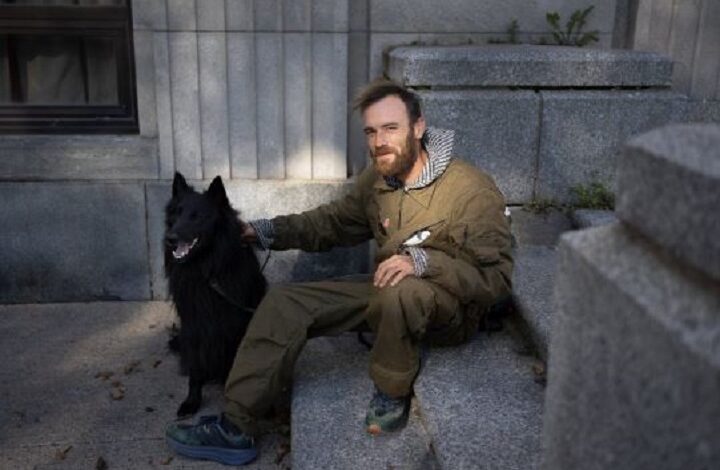
Andrew Goodsell campaigned for mayor of Halifax Regional Municipality in October 2024 while living in a tent in the city’s south end. The 38-year-old said his experience of homelessness gave him direct knowledge of the housing emergency and motivated his central promise of “dignified public housing.”
Entering a crowded race
Goodsell was one of 16 mayoral candidates. He had moved from eastern Ontario about a decade earlier and experienced homelessness at different periods of his life.
He said registering required at least five nomination signatures and a $200 fee. Formal access to the ballot was straightforward, but campaigning without stable housing, staff or substantial financing created obstacles most candidates did not face.
A campaign conducted on foot
Goodsell described his operation as “two feet and a heartbeat.” He used sidewalk chalk and direct conversation to introduce himself rather than relying on professional advertising.
Polling placed him far behind former MP Andy Fillmore and councillors Waye Mason and Pam Lovelace. Low odds of victory did not make the candidacy meaningless; elections also provide a platform to raise neglected experience and test how accessible public life really is.
Housing as the first pledge
Goodsell argued that the municipality should create dignified public housing as encampments expanded and living costs rose. “Dignified” implied more than moving people from public view: housing needed privacy, security, sanitation and a path to long-term stability.
Municipalities control land use, local services and some housing programmes, while provincial and federal governments hold larger taxation and social-policy powers. A credible plan would need land, capital, operating funds and coordination across all three levels.
Lived experience in public policy
Dalhousie University social-work professor Jeff Karabanow said the candidacy challenged the stereotype that unhoused people do not participate in civic life. Housing advocate Tamara Stein said people living through a crisis understand dimensions that outsiders can miss.
Lived experience is valuable evidence, though it does not make any one person representative of everyone without housing. It should be combined with programme data, Indigenous and disability perspectives, frontline expertise and transparent cost analysis.
Barriers beyond the nomination form
A candidate needs a reliable address for communication, internet and power, transportation, time, personal safety and access to public forums. Homelessness can make each task harder while exposing a person to ridicule or unwanted attention.
Election organizers and media should apply the same policy scrutiny to every candidate without treating poverty as spectacle. Accessibility includes practical information about voting and candidacy for people without a permanent address.
The result
Official results showed Andy Fillmore won the mayoralty. Goodsell received a small share of the vote and did not come close to office.
That outcome should be reported plainly, but electoral success is not the only measure of participation. His presence required better-known candidates and voters to encounter homelessness as a perspective within the campaign rather than merely an object of policy.
What remained after election day
Halifax’s encampments and housing shortage could not be resolved by symbolism. The new council still needed measurable targets for permanent homes, supportive services, shelter standards and public-space management.
Goodsell said he hoped his effort would encourage someone else to participate. His campaign demonstrated both democratic openness and its limits: a person living rough could reach the ballot, but competing on equal terms required resources and stability that the housing system itself had failed to provide.