
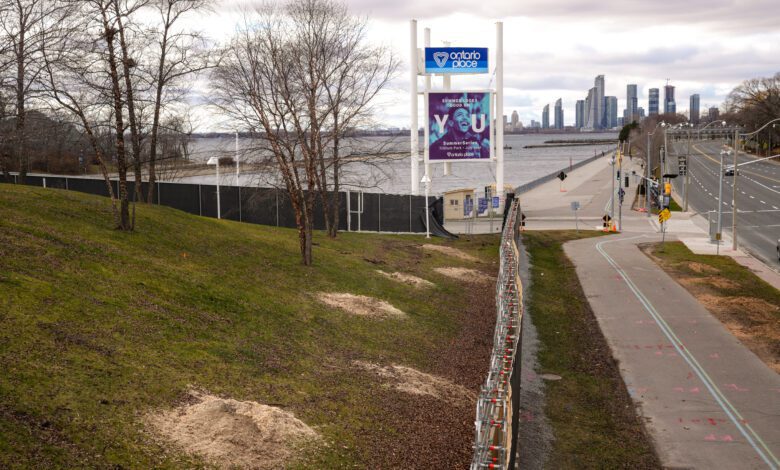
Ontario NDP Leader Marit Stiles asked the province’s integrity commissioner in October 2024 to examine Infrastructure Minister Kinga Surma’s conduct in connection with the Ontario Place redevelopment. The complaint alleged irregularities around the selection process, the long-term agreement with Therme Group and decisions involving the Ontario Science Centre.
What the complaint requested
Stiles submitted a letter and sworn affidavit under section 30 of Ontario’s Members’ Integrity Act. She asked whether Surma had breached conflict-of-interest provisions by improperly furthering a private interest.
A complaint from one MPP about another begins a statutory screening process. It is not a finding that the allegations are true, and the commissioner first decides whether there are sufficient grounds to open a full inquiry.
The Ontario Place issues
The opposition questioned the government’s call for development proposals, evaluation of bidders and agreement for Therme’s planned private spa and waterpark. The lease ran for 95 years and included government obligations related to site preparation and parking.
Publicly released terms indicated that rent and maintenance payments across the full term could total roughly $2 billion. The agreement also contemplated 1,800 parking spaces and financial consequences if the province did not make the promised capacity available.
Science centre questions
Stiles also linked the complaint to the government’s plan to relocate the Ontario Science Centre to Ontario Place and to the closure of the centre’s Don Mills building after concerns about its roof. She argued that the business case and sequence of decisions warranted scrutiny.
Those were major public-policy questions, but an integrity investigation had a narrower legal task. Criticism of value for money or project design would not by itself prove that a minister used office to benefit a private interest.
Surma’s response
Surma rejected the suggestion of wrongdoing and said she would cooperate with the commissioner. Her office noted that she was not the infrastructure minister when much of the selection and agreement process occurred.
The government defended the project as a revitalization of an underused waterfront site. The opposition maintained that its financial commitments and effects on public institutions required greater transparency.
The commissioner’s later decision
On January 16, 2025, Integrity Commissioner J. David Wake reported that there were insufficient grounds to conduct an inquiry into Surma. He found that she was not the responsible minister during most of the period challenged in the complaint and that earlier actions by other officials could not simply be attributed to her.
The report also said the request did not identify a specific act showing how Surma improperly furthered Therme’s interest after she assumed responsibility for Ontario Place. That conclusion resolved the personal integrity complaint against Surma; it did not certify every project decision as sound.
Different forms of oversight
The integrity commissioner assesses conduct under the Members’ Integrity Act. The auditor general, legislature, courts, procurement reviews and public-access requests examine different questions, including cost, fairness, authority and disclosure.
Keeping those mandates separate prevents a common error: treating the dismissal of one legal allegation as the end of all policy scrutiny, or treating criticism from another oversight body as proof of personal corruption.
Why precise language matters
The October filing was newsworthy because it invoked a formal accountability mechanism over a costly, decades-long arrangement. Reporting needed to state who alleged what, identify the minister’s denial and update readers when the commissioner reached a decision.
The durable public-interest questions concern the full cost of the redevelopment, the value of public benefits, procurement fairness, environmental and heritage effects and enforceability of the lease. Those issues can be investigated vigorously without presenting an unproven ethics allegation as fact.



