
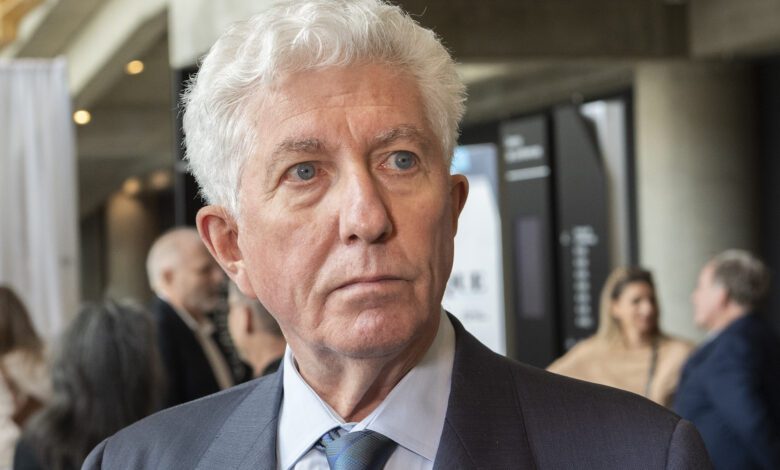
Former Bloc Québécois leader Gilles Duceppe said in October 2024 that dissatisfied Liberal MPs had few attractive alternatives to Justin Trudeau because potential successors could see the party was likely to lose the next federal election. His comments came as internal pressure on the prime minister intensified after prolonged weak polling and two damaging byelection defeats.
Duceppe’s argument
Speaking on Global News’ The West Block, Duceppe said he had heard from Liberals in Quebec who were unhappy with Trudeau’s leadership and the party’s electoral prospects. He argued that no obvious contender wanted to inherit a difficult campaign and risk a severe defeat.
That was political analysis from a former rival, not evidence that every Liberal MP agreed or that the election result was predetermined. Polls measure opinion at a point in time, and leadership changes can alter—but do not guarantee—a party’s prospects.
Why the pressure was rising
The Liberals had lost the Toronto—St. Paul’s and LaSalle—Émard—Verdun byelections, both in areas the party had held for years. Several MPs were organizing an appeal for Trudeau to resign, while four cabinet ministers had recently announced they would not seek re-election.
Trudeau nevertheless said he intended to lead the Liberals into the next campaign. The dispute therefore concerned both electoral strategy and whether caucus had a practical mechanism to force a change.
No simple caucus removal
Unlike parties whose caucuses have adopted the leadership-review provisions of Canada’s Reform Act, the Liberal caucus did not have a straightforward binding vote that could automatically remove its leader. MPs could organize, speak publicly, withhold support or create political pressure, but Trudeau could choose to remain.
That institutional reality supported Duceppe’s observation that unhappy members lacked an easy alternative. It did not mean they literally had no agency: individual MPs could resign from caucus, announce retirement, seek a nomination elsewhere or continue pressing for a voluntary departure.
Quebec’s changing contest
Duceppe said Conservative gains among Quebec voters were limited by dissatisfaction with Pierre Poilievre’s political style, leaving room for the Bloc. The Bloc’s narrow win in LaSalle—Émard—Verdun reinforced the perception that Liberal support in Montreal could no longer be assumed.
He also noted that prospective Liberal successors with Quebec seats would have to consider their own re-election risk. A national leadership bid can become less appealing when a candidate’s local base is also competitive.
The minority-Parliament context
The NDP had ended its supply-and-confidence agreement with the Liberals in September 2024. That did not immediately defeat the government, but it required the Liberals to find support on confidence votes from one or more opposition parties.
Bloc leader Yves-François Blanchet was using that leverage to press for policies including higher Old Age Security payments for some seniors and protection of supply management. Duceppe advised the Bloc to pursue concrete commitments rather than treat federal instability as an end in itself.
What happened after the interview
Twenty-four Liberal MPs presented a letter later that week urging Trudeau to resign. He rejected their deadline and remained leader through the end of 2024. After further cabinet turmoil, he announced in January 2025 that he would step down once the party selected a successor.
That later outcome does not turn Duceppe’s prediction into proof of what every politician privately believed. It does show that leadership pressure continued after the October interview. The accurate conclusion is narrower: Liberals faced a genuine strategic dilemma, but the decision about leadership remained political and uncertain rather than automatic.



