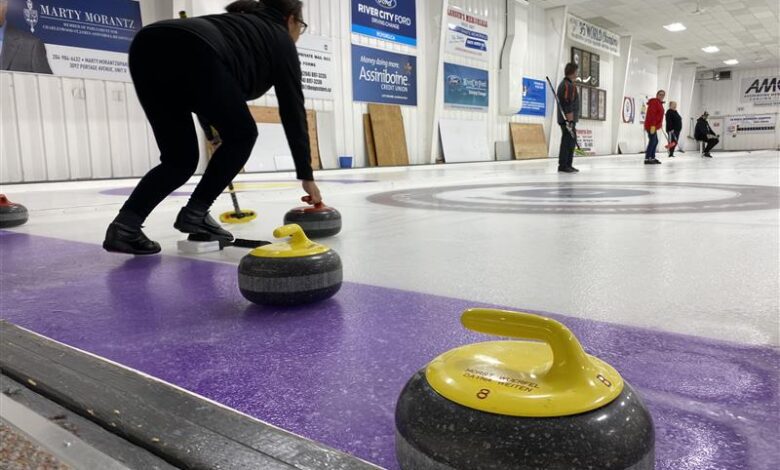
Winnipeg’s Aboriginal Curling League opened its 30th season in 2024, continuing a weekly competition created by Norman Meade after he moved from Manigotagan First Nation to the city. At 80, Meade was still curling and could now share the ice with his 11-year-old granddaughter.
How the league began
Meade had curled throughout his life and wanted a place in Winnipeg where Indigenous families could play together and enjoy one another’s company. He launched a league of their own about three decades earlier, building a recurring Tuesday-night gathering rather than a one-time tournament.
Longevity matters in community sport. A programme that survives for 30 seasons has negotiated changing participants, volunteers, facilities and costs while retaining a purpose recognizable to its founders.
Open to ages and experience levels
The league welcomed curlers of different ages and skill levels at the Assiniboine Memorial Curling Club. That inclusive structure allowed experienced players to compete while newcomers learned the rules, delivery and sweeping without needing an elite résumé.
Curling is particularly suited to an intergenerational league because strategy, communication and consistent technique can matter as much as speed or power. Adaptations can also make participation possible for some people with limited mobility, although accessibility needs vary by facility.
More than a score
Meade described the goal as bringing families together for one evening each week. Regular contact can strengthen relationships that extend beyond the rink, give younger people trusted adult connections and make a large city feel less isolating.
Calling the programme community-building should not erase its sporting character. Players still value competition, skill development and the satisfaction of executing a difficult shot. The social and competitive purposes reinforce each other.
Representation in organized sport
An Indigenous-led league can create a welcoming entry point for people who have not always seen themselves reflected in mainstream club structures. It also gives participants control over traditions, atmosphere and community priorities.
The league’s name reflects its established identity. Contemporary reporting should use the organization’s chosen name and describe participants accurately, while recognizing that Indigenous people and First Nations are diverse communities rather than a single culture.
The work behind three decades
Ice rental, equipment, registration, scheduling and volunteer recruitment are practical requirements every season. Affordable fees and loaner equipment can determine whether a nominally open league is genuinely accessible.
Succession is equally important. A founder’s continued involvement gives continuity, but a durable organization also develops younger conveners, coaches and administrators who can carry the work forward.
Why the milestone was significant
The 30th season connected Meade’s original desire to keep curling with a new generation represented by his granddaughter. That family image gave the anniversary emotional meaning, but the achievement belonged to every player and volunteer who kept returning.
Community programmes are sometimes noticed only when they lose funding or a building. This anniversary offered a more constructive reason to pay attention: a locally created institution had sustained recreation, belonging and Indigenous visibility for three decades.
Its future would depend on continued participation and practical support, not nostalgia alone. Yet the 2024 season demonstrated that a simple idea—one regular night for families to curl together—could become a lasting part of Winnipeg’s sporting life.