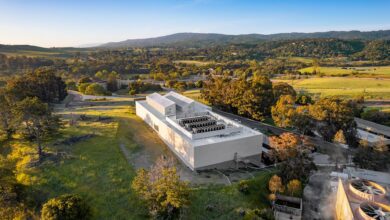
The Chinese Canadian Museum in Vancouver announced “A Soldier for All Seasons,” an exhibition planned for spring 2025 about Chinese Canadians who served in the world wars while denied equal citizenship rights at home. Their service contributed to victory overseas and strengthened the campaign that helped secure the federal vote in 1947.
Service despite exclusion
Veterans Affairs Canada records that more than 200 Chinese Canadians volunteered in the First World War and more than 600 served during the Second World War. By 1945, Chinese Canadians were represented across Canada’s armed services even though federal law and discriminatory practice treated them as less than full citizens.
The Chinese Immigration Act of 1923, commonly called the Chinese Exclusion Act, had sharply restricted immigration. It was repealed in 1947, the same year Chinese Canadians gained the federal franchise. Full provincial voting rights followed across Canada, including in British Columbia in 1949.
“One war and two victories”
Former British Columbia judge Randall “Bud” Wong described a postwar idea of one war producing two victories: defeating the external enemy and advancing the claim to equal voting rights. Veterans could point to their service and ask why people willing to fight for Canada were barred from choosing its government.
Military service should not have been required to earn rights that belonged to citizens. Its political effect nevertheless forms part of the historical record and helps explain why veterans organized after returning home.
Wong’s family memory
Wong remembered going to Vancouver’s railway station at age five to meet his uncle Delbert Yen Chao, who returned from India in uniform in 1945. Chao’s discipline and service influenced his nephew, who later became British Columbia’s first Chinese Canadian provincial Crown counsel.
Family memories give institutional change a human scale. They should be joined with documents, photographs and service records so that individual stories remain verifiable as firsthand witnesses die.
Force 136 and Operation Oblivion
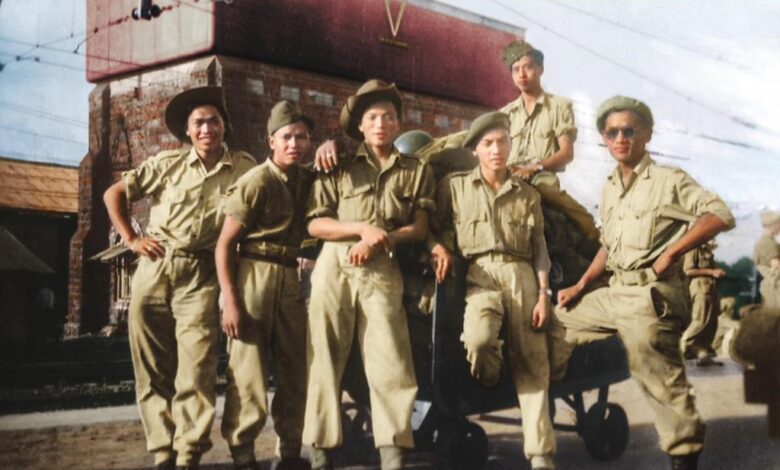
The exhibition was to include Chinese Canadians who served in Force 136, conducting dangerous special operations in Japanese-occupied Southeast Asia. Their language skills and ability to work with local populations were important to missions supporting resistance and disrupting enemy supply systems.
Some Canadian recruits trained for an effort known as Operation Oblivion, a name that reflected the risk of capture or death. Colourized photographs can make these people feel immediate to present-day viewers, but museums should retain access to the original image and clearly label restoration or added colour.
What the exhibition needed to preserve
Museum chief executive Melissa Karmen Lee said Chinese Canadians participated throughout the war effort. A complete presentation also needs the discriminatory laws, community debates, family effects and postwar activism surrounding that service. Celebration without exclusion would tell only half the story.
Wong said very few Chinese Canadian Second World War veterans remained as the 80th anniversary approached. Recording names and testimony was therefore urgent, but accuracy and consent remained more important than rushing an incomplete account.
“A Soldier for All Seasons” was designed to honour military contribution and a struggle for political recognition. Its central lesson is a Canadian contradiction: people served a country that withheld equal rights, then used their service and organizing to help change it. Remembering both victories makes the story more honest and the meaning of citizenship more complete.