Several Ontario municipalities considered restricting demonstrations near places of worship, schools and hospitals after violent confrontations outside Brampton’s Hindu Sabha Mandir in November 2024. Supporters described the proposed bylaws as protection from intimidation; civil-liberties advocates warned that broad exclusion zones could chill lawful protest.
The events prompting debate
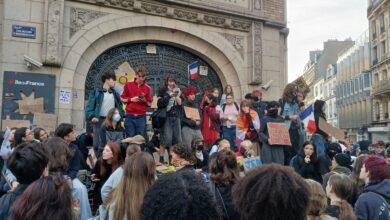
Hundreds of people gathered outside the Brampton temple on November 3, and clashes led to arrests. A counter-protest followed the next night, when police alleged some people carried weapons and threw objects. Violence and weapon offences are already matters for police and courts; participation in a peaceful demonstration is not itself a crime.
The protests occurred amid conflict between supporters of an independent Sikh state called Khalistan and supporters of India. Officials including the prime ministers of Canada and India condemned violence. Reporting should not assign the conduct of individuals to entire Sikh or Hindu communities.
Models considered by cities
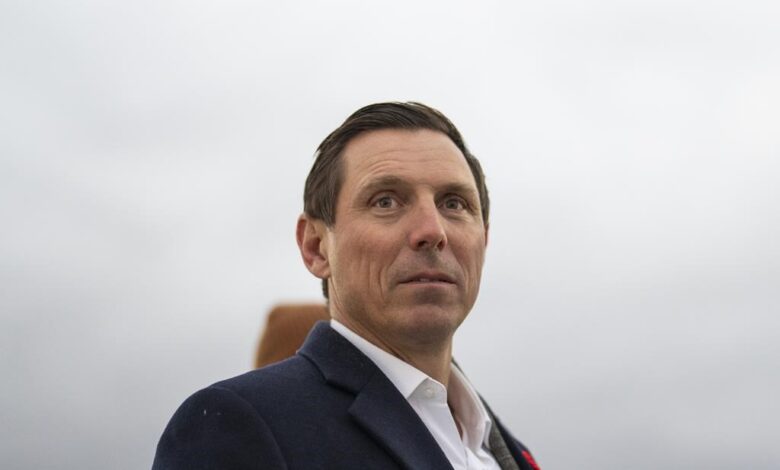
Brampton Mayor Patrick Brown proposed a local bylaw after the temple events. Brampton council later approved a measure prohibiting “nuisance demonstrations” within 100 metres of places of worship while stating that peaceful protest was not the target.
Vaughan had already adopted a bylaw covering a 100-metre area around what it called vulnerable social infrastructure, including worship sites, schools, child-care centres and hospitals. Ottawa and Mississauga directed staff to examine similar approaches.
Two rights can be engaged
People have a right to worship and attend schools or hospitals without threats, obstruction or violence. They also have Charter-protected freedom of expression and peaceful assembly, including the ability to protest where a message will reach its intended audience.
A restriction must therefore be precise and proportionate. Terms such as “nuisance” can be subjective unless a bylaw defines prohibited conduct clearly. A rule based on disruption, harassment, noise, obstruction or threat is easier to evaluate than one that appears to depend on a protest’s viewpoint.
Concerns about enforcement
The Canadian Civil Liberties Association criticized Brampton’s wording as vague and overly broad. Critics argued that an exclusion zone could deter lawful speakers even if the city said peaceful gatherings were permitted.
Selective enforcement would deepen that risk. Cities should publish operational guidance, record warnings and penalties, train bylaw officers and review whether particular groups are affected disproportionately. Labour pickets, vigils, processions and spontaneous responses to breaking events also need clear treatment.
Alternatives and safeguards
Police can enforce existing Criminal Code provisions and local rules concerning assault, threats, weapons, obstruction and excessive noise. Event liaison, physical separation of opposing groups, negotiated routes and temporary safety plans may address a known risk without a permanent blanket zone.
If a city adopts a bylaw, it should include a narrow definition, reasonable exceptions, an appeal process, a sunset or review date and public reporting. Courts ultimately determine whether municipal authority and Charter limits have been respected.
The Brampton violence justified action to protect people entering a place of worship. It did not remove the need to protect peaceful dissent. The policy test is whether a city prevents harmful conduct with the least restriction necessary—not whether it can make controversial expression disappear from public view.