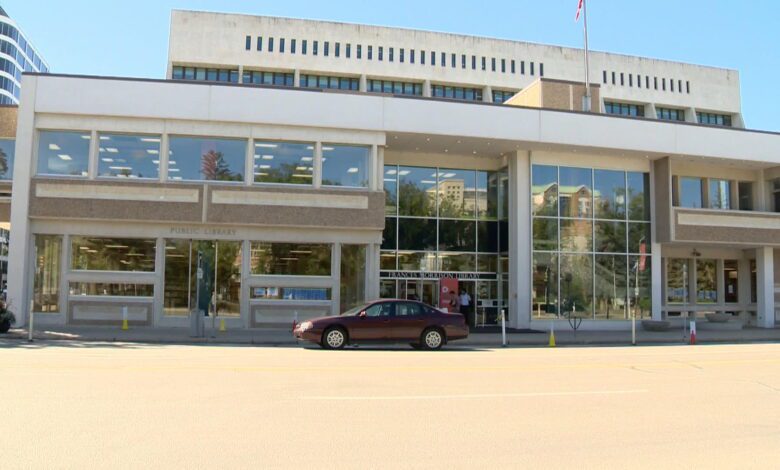
Saskatoon Public Library employees represented by CUPE Local 2669 issued strike notice in November 2024, with job action possible on November 12 if bargaining did not produce an agreement. Workers sought wages that kept pace with living costs and stronger measures to address safety concerns inside library branches.
What workers said they needed
CUPE representative Katherine Norton said employees had experienced a rise in violent incidents and did not believe the employer’s proposed protections went far enough. The union presented wages and safety as connected workplace issues: staff wanted to continue serving patrons but said they needed conditions that allowed them to do so safely.
That claim deserved evidence through incident reports, worker surveys and occupational-health records. It should not be interpreted as saying that people who rely on libraries for shelter, internet access or social support are inherently dangerous.
The library’s response
Saskatoon Public Library said all branches would close on November 12 and reopen the following day. It warned that later job action could take different forms and might occur without enough detail for advance public notice, asking patrons to check service status before travelling.
The employer expressed disappointment that union members had rejected an offer made at the end of September. It filed a reciprocal lockout notice but said that did not mean employees would immediately be locked out. The notice preserved an option if the library could not maintain service during job action.
A one-day strike and an unresolved contract
Workers proceeded with a one-day strike on November 12, closing branches. That later event should be distinguished from the earlier notice: notice made a strike lawful and possible, while the walkout confirmed that bargaining had not prevented the scheduled action.
A brief strike can demonstrate employee support and public impact without committing either side to an indefinite shutdown. It does not itself resolve the underlying questions about pay, staffing and safety.
Libraries as public infrastructure
Modern libraries provide books, computers, literacy support, warm public space and referrals for people facing complex needs. When housing, mental-health and addiction services are inadequate, library employees may encounter crises for which conventional customer-service training is insufficient.
Safety improvements can include appropriate staffing, clear incident procedures, de-escalation training, building design and rapid access to specialized community responders. Security measures need regular review so they protect staff and patrons without excluding vulnerable residents from a public service.
How to judge a settlement
A durable agreement should specify wage changes and their dates, how hazards are recorded, minimum staffing or response commitments where applicable, and a process for reviewing whether measures work. Both sides should explain the cost to the library system and what is funded within the public budget.
Management has a duty to provide a safe workplace and steward public resources. Employees have collective-bargaining rights and firsthand knowledge of branch conditions. Treating either responsibility as illegitimate makes compromise harder.
Patrons affected by closures needed timely, accessible updates on holds, returns, digital services and alternate facilities. They did not need to be recruited into personal attacks against workers or administrators.
The strike notice was therefore more than a warning about one closed day. It exposed the pressure placed on a civic institution expected to remain open and welcoming while handling increasingly complex social needs. Negotiations could succeed only if compensation, safety and public access were treated as measurable obligations rather than competing slogans.