
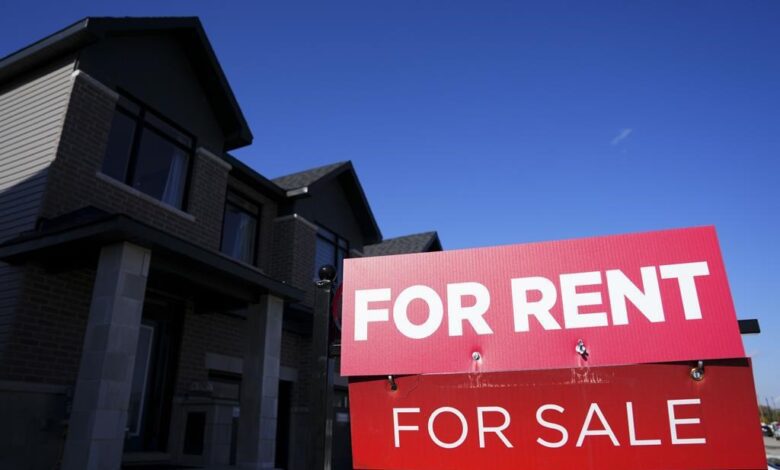
Canada’s average asking rent across residential property types fell year over year in October 2024 for the first time since July 2021. The 1.2 per cent decline brought the national average to $2,152 a month, down from $2,193 in September, according to a Rentals.ca and Urbanation report.
What the national number measured
The report tracked asking rents in available listings, not what every existing tenant paid. Asking-rent data reflects the units advertised during a period and can change when the mix of cities, property types or bedroom sizes changes. It is useful for people entering the market but should not be read as a universal rent cut.
A one-month fall and a small annual decline also did not establish a lasting trend. Rents remained high after several years of rapid growth, so affordability could remain severe even when the rate of increase slowed or turned slightly negative.
Large-city declines drove the average
One-bedroom asking rents were reported down about 9.1 per cent year over year in Vancouver and 8.7 per cent in Toronto. Giacomo Ladas of Rentals.ca attributed softer conditions to added supply, slower growth in the international-student population and a weaker labour market that reduced movement toward the largest cities.
Those explanations were plausible contributors, not proof that one policy created the change. Interest rates, completions, household formation, investor decisions and local employment can all affect rental demand and supply.
Other provinces still experienced sharp increases
The national average hid large regional differences. Saskatchewan recorded a 17.1 per cent annual increase to an average of $1,358, while Nova Scotia was up 9.6 per cent. A lower dollar rent than Toronto or Vancouver does not make a double-digit increase easy for local households earning local wages.
Demand can move toward relatively affordable cities and then push their prices upward. That pattern shows why simply telling renters to relocate does not solve a national shortage and may transfer pressure to communities with less housing stock.
Property type changed the result
Purpose-built apartment asking rents actually rose 1.7 per cent. Condo rentals declined 3.8 per cent and houses or townhouses fell 5.3 per cent, pulling down the combined figure. Studio condos averaged about $1,874, while one-bedroom units averaged roughly $2,057.
Readers therefore needed more than the headline. A renter seeking an apartment in Saskatchewan could face a very different market from someone comparing condo listings in Toronto.
How to evaluate whether relief is real
A durable improvement would appear across several measures: inflation-adjusted rents, vacancy rates, the number of affordable listings, eviction and shelter data, and the share of household income spent on housing. More completions help, but location, size and price determine whom they serve.
Governments can influence supply through zoning, infrastructure, public and nonprofit housing, construction timelines and tax policy. Tenant protections, income support and enforcement address immediate insecurity. No single national average can show whether those tools are reaching the people under greatest pressure.
The October 2024 report offered a genuine change after years of uninterrupted annual growth, but not an all-clear for affordability. Its most accurate interpretation was that the rental market had begun to diverge: some expensive cities and property types softened while other provinces and purpose-built apartments continued climbing.
Whether the decline would continue required subsequent data. Preserving that uncertainty is more helpful than presenting one month as either the end of the rental crisis or a meaningless statistical fluctuation.



