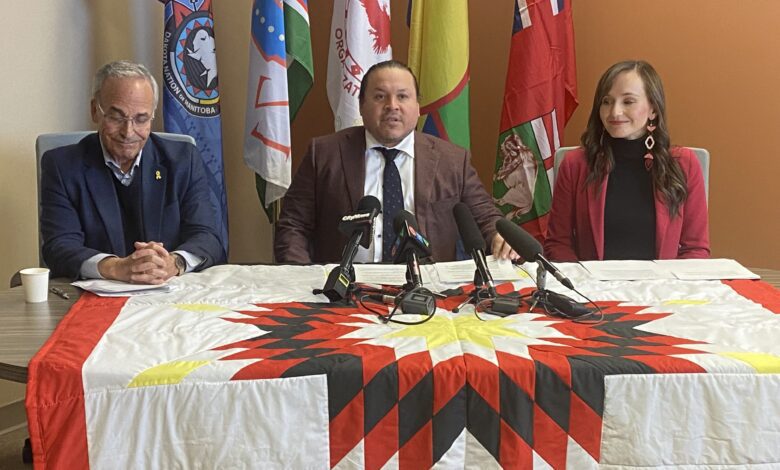
The Southern Chiefs’ Organization, Business Council of Manitoba and Manitoba government announced a $450,000 Indigenous Education Award partnership in November 2024. The programme was designed to support students from SCO member First Nations pursuing health-care careers, with 30 awards of $3,000 planned each year for five years.
How the award was structured
The three partners pooled funding rather than creating separate small schemes. Eligible students could receive an award more than once during their education, according to the Business Council of Manitoba. That matters because programmes in nursing, medicine and allied health often require several years of tuition, equipment, transport and placements.
At 30 awards annually, the announced five-year structure accounts for 150 awards and the full $450,000 commitment. The award can reduce an immediate financial barrier, although it will not cover the complete cost of most professional programmes.
Representation in the workforce
SCO Grand Chief Jerry Daniels said First Nations people were substantially underrepresented among Canadian nurses and physicians. He argued that professionals who understand First Nations cultures and communities can provide more appropriate, holistic care and help address a reported 11-year life-expectancy gap between First Nations people and other Manitobans.
Representation can improve trust and communication, but Indigenous clinicians should not be expected to solve structural gaps alone. Safe housing, clean water, transport, staffing, prevention, jurisdiction and stable clinic funding all affect health. Governments remain responsible for services even as they support more students.
Connection to reconciliation commitments
Daniels linked the award to the Truth and Reconciliation Commission’s Calls to Action. Call 23 asks governments to increase the number of Indigenous professionals in health care and ensure retention in Indigenous communities, while Call 92 calls on the corporate sector to provide equitable access to jobs, training and education.
A partnership among First Nations leadership, business and government therefore matches the responsibilities identified in those calls. Its design should still be led by the communities whose students and health systems are affected.
What support students may need beyond tuition
Financial awards work best alongside academic advising, mentorship, childcare, housing and culturally safe learning environments. Rural and remote students may face relocation and travel costs or limited access to prerequisite courses. Clinical placements near home and pathways back to First Nations communities can improve retention.
Institutions also need to confront discrimination. Recruiting a student without making classrooms and workplaces safe can transfer the burden of reform to the person the programme was intended to support.
How to measure whether it makes a difference
The partners should report applications, awards, fields of study, completion and workforce retention while protecting student privacy. They should ask recipients which barriers remain and publish whether repeated awards reach students in longer programmes. Counting cheques alone would not show whether the initiative increases the number of practising health professionals.
The $450,000 commitment was a concrete, multi-year step rather than a complete workforce strategy. Its lasting value will depend on predictable funding, community governance and whether award recipients can complete their education and enter workplaces equipped to retain them. Done well, the programme can support individual careers while strengthening care in communities that have long faced inequitable access.