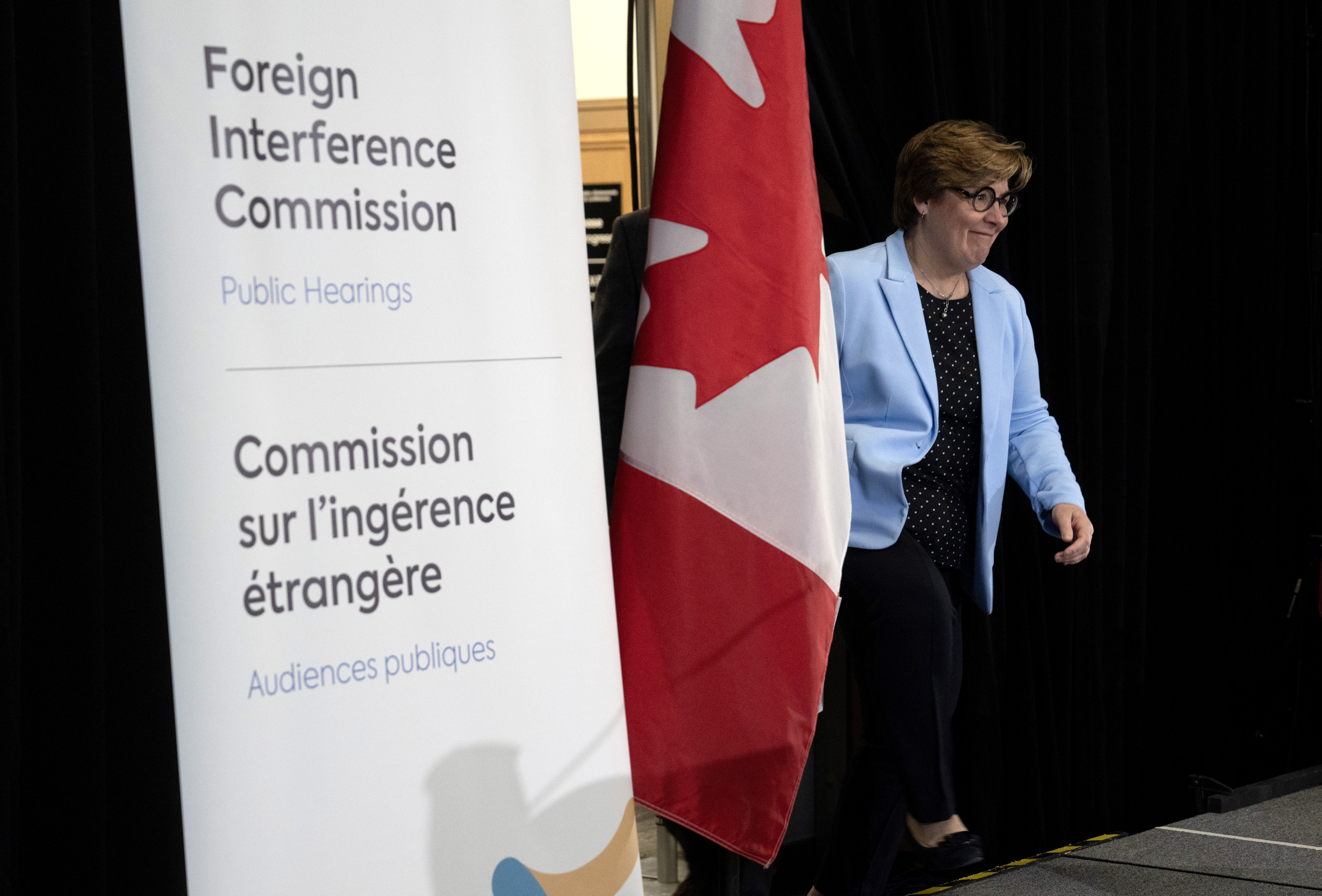
Foreign governments increasingly use large datasets and artificial intelligence to make influence operations more precise, a Canadian intelligence official warned in 2024. Rather than broadcasting one message to everyone, an operator can map communities, identify divisions and tailor content to audiences likely to respond.
“Big data” means combining many signals
Public posts, advertising profiles, leaked records, location patterns and commercial databases can reveal interests and relationships. Individually ordinary details become sensitive when linked at population scale.
Foreign services may collect data directly, purchase it through intermediaries or obtain it through cyber operations. The origin is often difficult for a user to see.
Influence differs from ordinary persuasion
Governments, parties and citizens openly advocate positions every day. Foreign interference becomes especially concerning when a state covertly directs, funds or threatens people to manipulate democratic choices.
Not every unpopular opinion, diaspora debate or false post is a state operation. Attribution requires evidence of coordination and intent.
Analytics can identify receptive audiences
A campaign can test messages on small groups, measure emotional response and rapidly amplify the version that performs best. Automated accounts may manufacture the appearance of consensus.
Microtargeting also lets an operator send contradictory claims to different communities without a shared public record that journalists or rivals can easily challenge.
Generative AI lowers production costs
Text, synthetic voices and manipulated images can be produced in many languages and styles. Volume allows false narratives to be repeated faster than investigators can verify each item.
AI is an accelerator, not proof of foreign origin. Real people also use generative tools, while sophisticated operations still employ authentic documents selectively or distort genuine events.
Community intimidation can accompany online campaigns
Canadian intelligence reporting has described foreign states attempting to monitor, pressure or threaten members of diaspora communities. Data can help identify family ties and vulnerable individuals.
Platforms and authorities therefore need reporting channels that address personal safety, not only fact-check public posts.
Data brokers create a security gap
Commercial markets can make detailed profiles available without a traditional intelligence operation. Privacy rules written around individual consent may not account for collective risks created by inference.
Stronger limits on sensitive-data sale, retention and cross-border access can reduce the raw material available for targeting.
Detection requires cooperation and restraint
Intelligence agencies, election bodies, researchers, newsrooms and technology companies hold different pieces of the picture. Sharing indicators can expose coordinated behaviour before it reaches large audiences.
Government warnings should provide enough evidence to be credible while protecting sources. Vague claims can themselves damage trust or be used to stigmatize communities.
Citizens can reduce vulnerability
Users can limit public personal details, check the original source of emotional claims and avoid treating engagement totals as evidence. Campaigns and officials should secure accounts and disclose suspicious approaches.
The larger solution is structural: strong privacy protection, transparent political advertising, platform research access, public education and independent democratic oversight. A resilient democracy does not suppress legitimate disagreement; it makes covert manipulation harder to hide and verified information easier for every community to find.