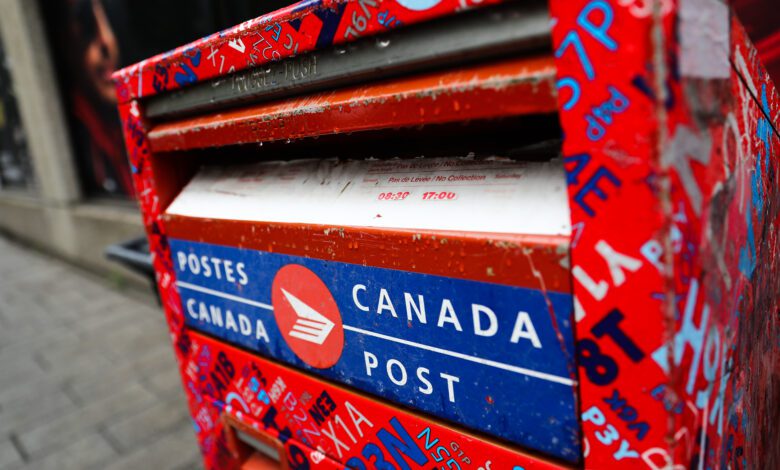
The Canadian Union of Postal Workers issued 72-hour strike notices to Canada Post on November 12, 2024, putting urban, rural and suburban mail carriers in a legal position to begin job action at 12:01 a.m. Eastern time on November 15 if no agreements were reached.
The notice did not by itself mean that every employee was already on strike. It completed a legal step required before action could begin and preserved the union’s ability to choose the timing and form of that action.
Two bargaining units were involved
CUPW represented approximately 55,000 workers in the Urban Postal Operations unit and the Rural and Suburban Mail Carriers unit. Their previous collective agreements had expired at different points near the end of 2023 and the start of 2024, and negotiations had continued for almost a year.
The parties disputed wages, staffing, scheduling, health and safety, benefits and Canada Post’s plans to expand weekend delivery and change how work was organised. A concise strike notice could not explain every proposal, and claims from either side needed to be attributed rather than treated as neutral findings.
Canada Post issued a lockout notice
Canada Post responded with its own 72-hour lockout notice, effective at 8 a.m. on November 15 if agreements were not reached. The corporation said it intended to continue operating if the union used rotating strikes, but warned customers to expect delays. CUPW maintained that its action was necessary to obtain fair agreements.
A strike is initiated by workers through their union; a lockout is initiated by the employer. The existence of both notices created several possible outcomes, including a settlement, rotating action, a national stoppage or an employer lockout. That is why the original report correctly described job action as uncertain on November 12.
What happened after the notice
CUPW began a national strike on November 15. Mail and parcel operations were substantially disrupted during the important pre-holiday period. Canada Post and the union had arrangements to deliver participating government benefit cheques, but ordinary shipments accumulated and businesses were advised to use alternatives.
On December 13, the federal labour minister referred the dispute to the Canada Industrial Relations Board. After finding that negotiated agreements were unlikely before the end of the year, the board ordered employees back to work and postal operations resumed on December 17 under extended contract terms while further processes continued.
How to read an archived labour alert
The November 12 notice is a historical milestone, not evidence that the same strike remains active. Postal labour conditions, delivery guarantees and affected locations can change quickly. Customers should use Canada Post’s current service-alert page, while workers should rely on their union and employer for bargaining instructions.
Balanced coverage also separates operational consequences from bargaining advocacy. Delivery delays were real, but determining responsibility for the impasse requires examining proposals and responses from both parties. A legal notice says when action may begin; it does not establish that either side’s substantive claims are correct.
Sources: Canada Post’s November 2024 operational notice; federal labour records describing the notices and subsequent intervention.