Pope Francis, Visiting Belgium, Is Met With Anger Over Clerical Sexual Abuse
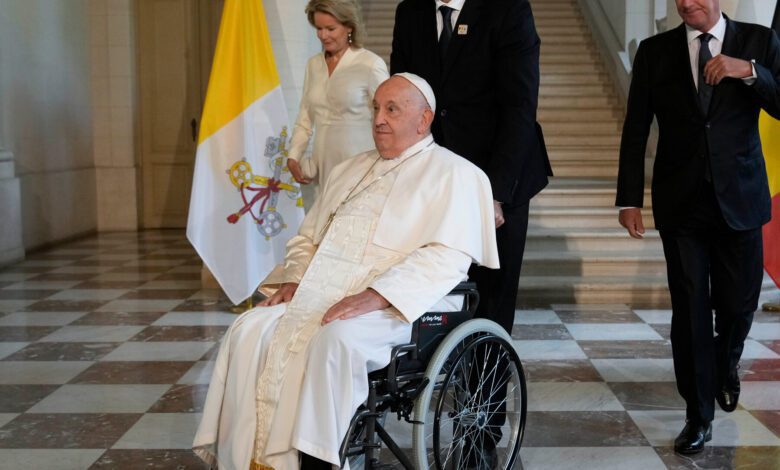
Pope Francis encountered unusually direct criticism over clerical sexual abuse during his September 2024 visit to Belgium. The king, prime minister, university leaders and survivors pressed him to move beyond apologies toward transparent investigations, accountability and adequate compensation.
Belgium had documented a severe abuse history
A church-commissioned report released in 2010 recorded testimony from more than 500 people who said they had been abused by clergy, some beginning in early childhood. Parliamentary and media investigations later exposed failures by church authorities.
The scandal contributed to a profound loss of trust in a country where Catholic institutions had long held public influence.
Political leaders addressed the pope openly
King Philippe said the church had taken too long to confront the crimes, and Prime Minister Alexander De Croo emphasized that victims’ needs had to come first. Their remarks rejected ceremonial language that did not produce consequences.
The criticism was notable because official welcomes usually avoid such direct confrontation. It reflected the scale of public anger and survivors’ years of advocacy.
Francis acknowledged shame and responsibility
The pope condemned abuse and the institutional failure to respond, describing it as a source of shame. He said the church must seek forgiveness, prevent recurrence and deal firmly with abusers.
Survivors had heard similar commitments before. The central question was whether statements would change record access, reporting, discipline and financial repair.
The private meeting lasted about two hours
Francis met a group of survivors at the Vatican embassy in Brussels on September 27. Initial plans referred to 15 participants; later accounts said 17 people took part.
They described abuse and its lasting effects and raised compensation and institutional handling. A private meeting can recognize personal experience, but it cannot substitute for an independent public process.
Compensation remained contentious
Belgian survivors criticized payments they considered too low for lifelong psychological, medical and economic harm. Francis later said a cited ceiling around €50,000 was inadequate.
Financial compensation cannot undo abuse. It can acknowledge responsibility and fund care, but a fair scheme needs independent assessment, accessible claims and protection against forcing survivors into repeated testimony.
Accountability extends beyond individual offenders
Removing a priest who abused a child is essential, yet church leaders who concealed allegations, moved offenders or discouraged reporting may also bear responsibility. Civil authorities must investigate crimes rather than rely on internal discipline.
Church files can contain evidence and should be preserved and shared lawfully. Statutory limitation rules should be examined where they prevent credible historical cases from being heard.
Prevention requires external safeguards
Safe reporting channels, background checks, trained safeguarding staff and mandatory cooperation with law enforcement reduce risk. Independent audits can test whether policies operate in parishes and schools rather than existing only on paper.
Survivors should help shape reforms without being made responsible for monitoring the institution that harmed them.
The visit exposed the gap between apology and repair
Francis’s language and extended meeting acknowledged the seriousness of the Belgian record. Survivors’ anger remained reasonable because recognition arrived after decades of institutional delay and could not guarantee action.
The lasting measure of the visit was therefore not the strength of an apology. It was whether church and state institutions disclosed truth, held responsible people accountable, funded survivor-led support and prevented authority from again being used to hide abuse.