Deepfake Sex Videos in South Korea Seen as Old Misogyny With New Tech
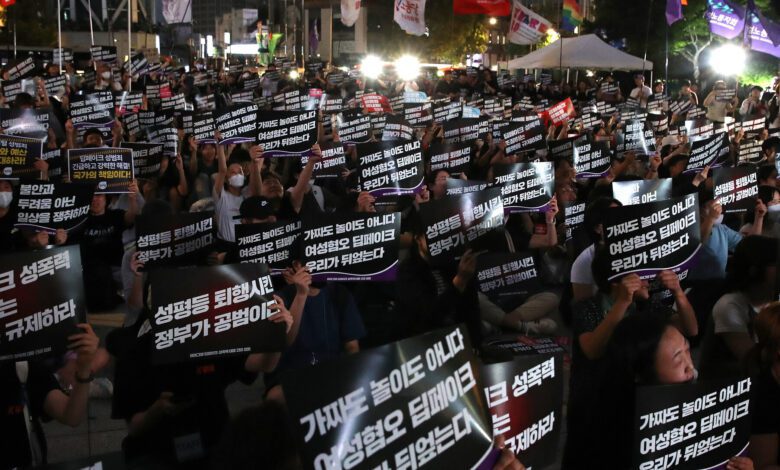
South Korea confronted a wave of non-consensual sexual deepfakes in 2024 after investigators and journalists found Telegram groups targeting students, teachers, celebrities and family members. The technology was new, but advocates said the abuse reflected older patterns of misogyny and image-based sexual violence.
Ordinary photographs became raw material
Perpetrators collected images from social media, school records or private contacts and used generative tools to place faces into explicit material. Victims had never participated in the depicted acts.
The falsity of an image does not make the humiliation or threat unreal.
Schools appeared across shared lists
Names of hundreds of schools and universities circulated in reporting channels, prompting police investigations in multiple regions. Some alleged perpetrators and victims were minors.
Viral estimates needed verification because duplicate or unconfirmed entries could inflate counts.
Telegram enabled rapid distribution
Private groups, bots and pseudonymous accounts made creation and exchange easy. Encryption and overseas platform structures complicated evidence requests and removal.
Platform privacy for lawful users should not become impunity for documented abuse.
The conduct was not harmless experimentation
Targets faced fear, school disruption, harassment and loss of control over their identity. Images could be copied indefinitely or paired with names and locations.
Telling victims simply to leave social media transfers responsibility away from offenders.
Misogyny shaped who was targeted
The overwhelming focus on women and girls showed that tools amplified gendered entitlement rather than creating it from nothing. Peer groups could normalize abuse through jokes, rankings and demands for new victims.
Prevention therefore requires education about consent and equality as well as technical detection.
Police opened a platform investigation
Authorities examined Telegram’s handling of illegal sexual material and pursued creators and distributors. Investigators needed to preserve metadata while protecting victims from repeated exposure during the process.
Viewing, possession, creation and sale may require distinct legal treatment.
Schools needed survivor-centred protocols
Students should have confidential reporting, evidence-preservation guidance, counselling and protection from retaliation. Administrators must not treat a fabricated image as misconduct by the person depicted.
Parents and teachers also need training that avoids amplifying files.
Technology companies can reduce harm
Services can block known abusive hashes, rate-limit suspicious generation, preserve evidence under lawful requests and make reporting usable in Korean. App stores and payment providers can act against businesses built around non-consensual content.
Automated filters require appeals to avoid wrongful removal.
Accountability must reach beyond one scandal
Fast arrests and stronger statutes can deter offenders, but lasting change requires challenging the culture that treats women’s images as communal property. Support services must remain available after headlines fade.
A trustworthy response centred victims’ consent, dignity and safety. It punished deliberate abuse, required responsible platform action, taught young people why fabrication is sexual violence and avoided sensational coverage that reproduces the material or identifies those harmed.
Victims also need rapid court orders and specialist help to remove copies across services. Evidence can be stored securely rather than forcing them to download abusive files repeatedly. International cooperation is necessary when servers, companies and offenders are in different jurisdictions.